Best Time for Manaslu Circuit Trek
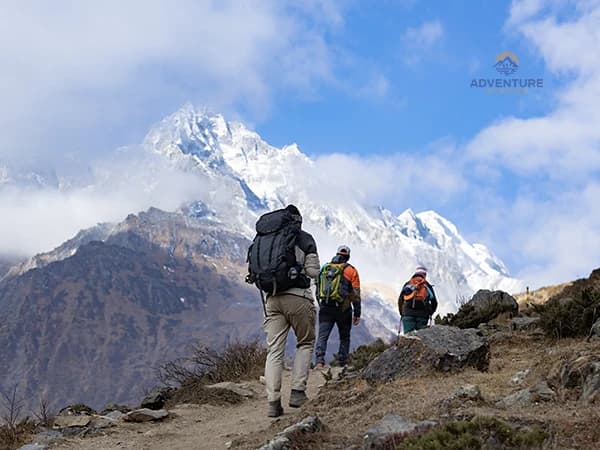
The Manaslu Circuit Trek is best done in the spring and autumn seasons, as the weather remains dry and clear. Spring, from March to May, features mild temperatures and blooming rhododendron forests along the lower trail. With good visibility this season is a great time to enjoy close-up views of Mt. Manaslu and the surrounding peaks.
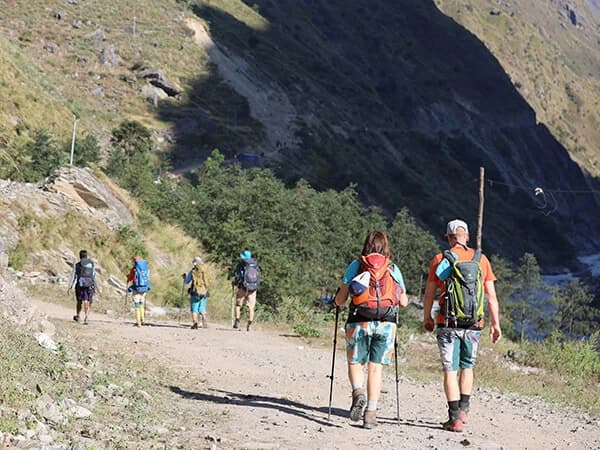
The Manaslu Circuit Trek is most popular from September to November, which is the autumn season. Weather is stable, skies mostly clear, and temperatures comfortable for long days of trekking. It is also the time just post monsoon so the trails are lush green and the views of the mountains tend to be the sharpest.
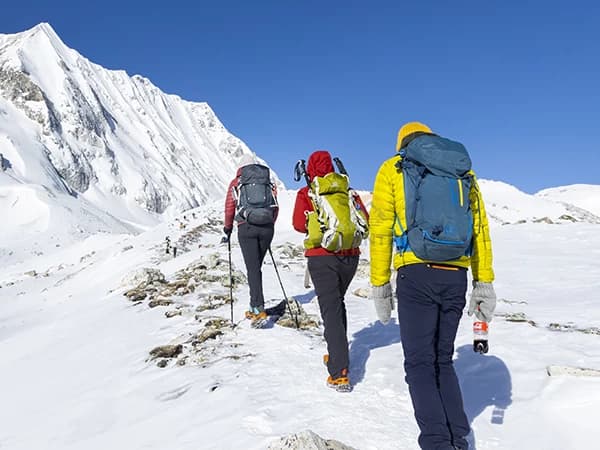
Summer (June–August) and winter (December–February) are not good times to go on this trek. The monsoon rains in the summer make the trails slippery and prone to landslides. In the winter, the higher elevations get frigid and snowy, especially around the Larke La Pass. You can also go trekking during these months but it is harder. It’s best to go Manaslu Circuit trekking in spring and fall. It’s safer and more enjoyable.
Accommodation During Manaslu Circuit Trek
Adventure Hikers include all accommodation along the Manaslu Circuit Trek in local tea houses in the package. These tea houses offer simple but comfortable rooms, mostly with twin-sharing beds, blankets and a common dining area where trekkers meet in the evening. The facilities become more basic the higher you go but any teahouse along the way provides a warm place to rest after a long day’s walk.
Tea houses usually have shared bathrooms. Hot showers are available in lower villages, but become less common at altitude. In places like Samdo and Dharamsala you may have to pay separately for a bucket of hot water (hot showers are rare above 3,500m). Rooms are basic with just enough space for a bed and your backpack but they do the job well for a good night's sleep before the next day's trek.
You will also get 3 nights at a comfortable 3-star hotel in Kathmandu before and after your trek as part of your Manaslu Circuit Trek package. This allows you a proper rest and a chance to freshen up at the beginning and end of your journey. From Kathmandu to the high mountain villages, accommodation will be arranged for you at every stage of the trip so you can focus on the trekking experience and not worry about where you will spend each night.
Food During Manaslu Circuit Trek
Adventure Hikers covers food throughout the Manaslu Circuit Trek in your package. Breakfast, lunch, and dinner are all provided every day of the trek. Tea houses along the way serve a mix of Nepali and Western food, and most have both vegetarian and non-vegetarian options. The variety of food is great enough to keep you well fed and energized during the long days of trekking.
Dal Bhat is the most popular meal on the trail and is a traditional Nepali meal of rice, lentil soup and vegetables. Trekkers like Dal Bhat because it has a good balance of carbohydrates and nutrients. Many tea houses also have items such as noodles, soup, pasta and porridge, which gives you enough choice to keep meals interesting over the 13-day journey. The higher you go, the simpler the menu choices, but there are hot, filling meals at all levels.
Clean drinking water is available all along the trail, and tea houses are happy to boil water on demand. It’s best to bring a reusable water bottle and water purification tablets or drops since bottled water quickly becomes expensive and creates plastic waste at higher altitudes. Your Manaslu Circuit Trek package will include all meals, allowing you to focus on the trek and not worry about where your next meal will be coming from.
Manaslu Circuit Trek Difficulty
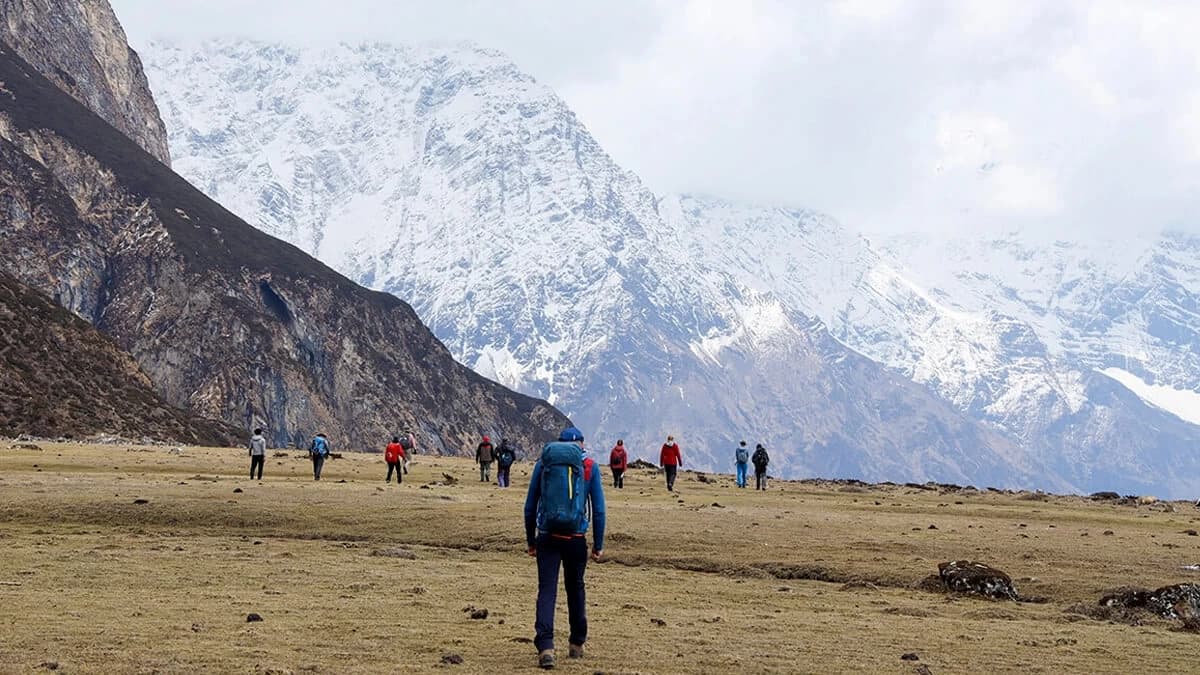
The Manaslu Circuit Trek is rated moderate to strenuous difficulty and is ideal for hikers with a good level of fitness and some prior hiking experience. The trail does involve long days of walking, high-altitude country and a tough pass crossing, so good preparation is more important than technical climbing skill. If you are properly trained and have the right mindset, most healthy trekkers can successfully do this journey.
Manaslu Circuit influencing factors Trek difficulty:
- Long days of walking: averaging between 5 and 8 hours on the trail, with Day 10 lasting up to 9 hours.
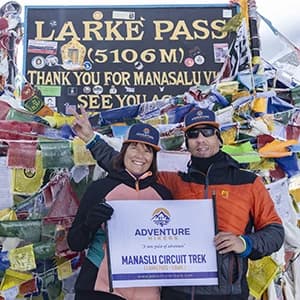
- High altitude gain: maximum elevation of 5,106 meters at Larke La Pass
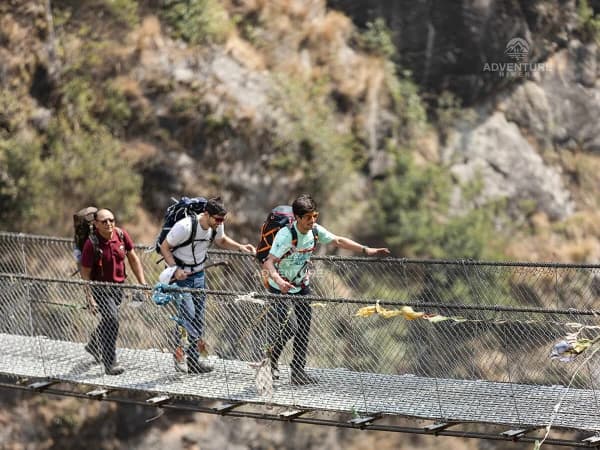
- Challenging terrain: rocky tracks, steep climbs and drops, tight spots close to landslip sites
- Risk of altitude sickness: common over 3,500m due to reduced oxygen level
- Remote location: limited access to medical facilities deep inside the Manaslu region
- Weather exposure: cold temperatures and possibly snow, even in trekking season, near the high pass
Regular cardio and strength training before the trek to build stamina makes a real difference. Also, if you take it slow and drink plenty of water, you will find it easier to complete the Manaslu Circuit Trek, especially during the acclimatization days and when crossing the Larke La Pass, by following the pace of your guide.
Permits Required for Manaslu Circuit Trek
The Manaslu region is a restricted area in Nepal, so trekkers need a couple of official permits to commence the Manaslu Circuit Trek. These permits help to protect the region’s natural environment and cultural heritage, as well as benefit local communities. Your trek package includes all permits, so you don't need to make any extra arrangements.
Manaslu Circuit Trek Permits required:
- Manaslu Restricted Area Entrance Special Permit: As the region falls in a restricted zone, the permit is required, and costs vary according to season and length of trip.
- Manaslu Conservation Area Project (MCAP) Permit: promotes conservation in the protected area
- Annapurna Conservation Area Project (ACAP) Permit: This permit is required because the trek enters the Annapurna Conservation Area near Dharapani. Annapurna Conservation Area near Dharapani
- Entrance Permit for Tsum Nubri Rural Municipality: A local fee for entry to the Tsum Nubri municipality.
All permits can be obtained only through a registered trekking agency in Kathmandu. Solo trekking without a guide is not permitted due to new restricted area permit rules. These are part of your Manaslu Circuit Trek package and our team handles the paperwork and registration checkpoints along the trail, so you can concentrate on the trek itself.
Travel Insurance for Manaslu Circuit Trek
Travel Insurance is not included in your Manaslu Circuit Trek package. However, it is highly recommended for all those who are undertaking this journey. The trek takes you to high altitudes such as Larke La Pass at 5,106 meters so the right coverage will give you peace of mind in case of emergencies. It is not a legal requirement, but most seasoned trekkers consider this an essential part of preparing for a trip.
Make sure that your policy covers high altitude trekking, ideally to 6,000m, as most standard travel insurance policies will not cover trekking above a certain altitude. Emergency helicopter evacuation should also be covered by your insurance, which is an important consideration given the remoteness of the Manaslu region. If you don’t have good coverage, evacuating from places like Samdo or Dharamsala can be expensive, so this is one area it pays to overspend.
A good travel insurance policy should include coverage for medical expenses, trip cancellation and loss of baggage or personal gear, not just evacuation. However, be sure to read the small print, as some policies don’t cover certain activities or altitude ranges. Arranging travel insurance before you arrive in Nepal is the easiest way to do it, and it means one less thing to worry about when your Manaslu Circuit Trek begins.
Guide and Porter for Manaslu Circuit Trek
On every Manaslu Circuit Trek with Adventure Hikers, you will be accompanied by an experienced, government-registered trekking guide. The Manaslu region is off-limits to the public, so you need to hire a guide. Better get an experienced one so you can obey the rules. Our guides are well trained to recognize the early symptoms of altitude sickness and have a keen interest in the local culture. Your safety is paramount in the design of this trek.
You will also get an experienced porter to help carry your load beside your guide so that you can trek comfortably without the burden of a heavy backpack. The porters on the Manaslu Circuit Trek are experienced in the terrain and high-altitude conditions, and they play an important role in making sure that the trek remains smooth and manageable for each trekker in the group. Both the guide and porter are appropriately geared and a duffle bag is included for the porter as part of the package.
Besides logistics, your guide and porter will add a special touch to your trip. They tell you stories of local traditions, help you interact with the villagers on the way and are often a memorable part of the whole Manaslu Circuit Trek experience. They do everything else so you can just concentrate on the walk and the views.
Packing List for Manaslu Circuit Trek
Body wear
- Down Coat
- Hiking shirts and pants
- Base layer thermal
- Waterproof/windproof jacket and pants
- Long-sleeved shirts
- Underwear
- gloves, warm
- Cotton and woolen socks
- Hiking shoes
- Slippers for camp
- Neck gaiter/muffler
- sports bra (for women)
- Wool beanie and sun hat
Gearboxes
- Hiking poles
- Backpack (40-50L) + rain cover;
- Head torch or torch
- High-altitude-rated sleeping bag
- Trekker knife
- Crampons (winter season)
Personal Items & Toiletries
- Sunglasses (UV protection)
- sun protection
- Moisturizer & Lip Balm
- Fast-Dry Towel
- Toothbrush and toothpaste
- Soap shampoo
- Hand sanitizer
- Toilet tissue
Others
- Visa & passport
- Travel insurance papers
- Photos passport size
- Extra money (Nepali rupees)
- Water bottle
- Universal power adaptors
- Powerbank
- Camera and spare batteries
- Water purification tablets or drops
- First Aid Kit Personal
Other Essential Information for Manaslu Circuit Trek
Beyond permits, gear, and accommodation, there are a few practical details you’ll want to know before you start your Manaslu Circuit Trek. These small details can significantly impact the overall smoothness of your trip once you hit the trail.
Extra Cash
Once you leave Kathmandu, there are no ATMs, so take enough Nepali Rupees in cash for the entire trek. This includes money for snacks, hot showers, charging batteries, wifi, souvenirs and tips. Best to exchange/withdraw cash in Kathmandu prior to departure, as card payments are not accepted along the trail.
Internet on Trial
Most tea houses along the Manaslu Circuit Trek have Wi-Fi, but it's an additional cost that gets more expensive and slower the higher you go. A local SIM card with data such as Ncell or NTC will work in the lower sections but coverage is patchy past Samagaon. Don’t expect fast or constant connectivity when you are deep in the mountains.
Tips and Gratitude
Tipping your guide and porter is customary but not included in the trek package. Typically a group tip is given at the end of the trek and the amount is usually based on the length of service and the quality of support received. Have some extra money saved up just for this.
Availability of Drinking Water on Route
Safe drinking water is provided along the trail. Tea houses will sell you boiled water for a small fee, and you can fill your bottle with water from natural sources and purify it with tablets or drops. We highly recommend bringing a reusable water bottle, since buying bottled water becomes costly at higher altitudes.
Transportation during the trek
Your Manaslu Circuit Trek package includes all land transportation from Kathmandu to Machha Khola and Dharapani back to Kathmandu. Travel is by local bus or private jeep depending on group size and road conditions. Both routes involve long scenic drives through the Nepalese hills.
Trekking Tips by Adventure Hikers
- Start at least a month before your Manaslu Circuit Trek and train for both cardio and strength.
- Walk at a slow, steady pace so that your body can acclimate properly.
- Drink at least 3 to 4 liters of water daily; stay hydrated.
- Don’t drink alcohol, smoke or consume energy drinks on the trek.
- Stick to the ‘climb high, sleep low’ rule on acclimatization days.
- Ensure that you have sufficient Nepali cash, as there are no ATMs on the trail.
- Layer your clothes so you can adapt to the changing weather.
- Break in your hiking boots well before you go on the trip.
- Bring tablets or drops that clean water with you so you don't have to buy bottled water.
- Follow your guide and tell someone right away if you start to feel sick from the high altitude.
- Travel light with your daypack and let the porter carry your bigger load.
- Charge your power bank fully in Kathmandu; charging on the trail costs extra.
- Bring a simple first aid kit and any personal medication.
- Always ask permission to take pictures of villagers or monasteries, out of respect for their traditions.
- Book your trek early, especially during busy periods like spring and fall.