Best Time for Nar Phu Valley Trek
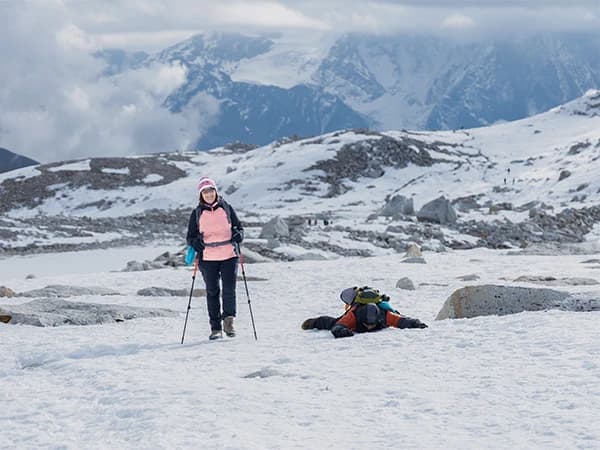
The best time for the Nar Phu Valley Trek is the spring and autumn seasons when the weather is stable and mountain views are clearest. Spring (March–May)—Mild days and warmer temperatures as the snow melts from the high passes. In the lower parts of the trail, rhododendron forests bloom, adding color to the trek before you get to the drier, higher parts of the valley.
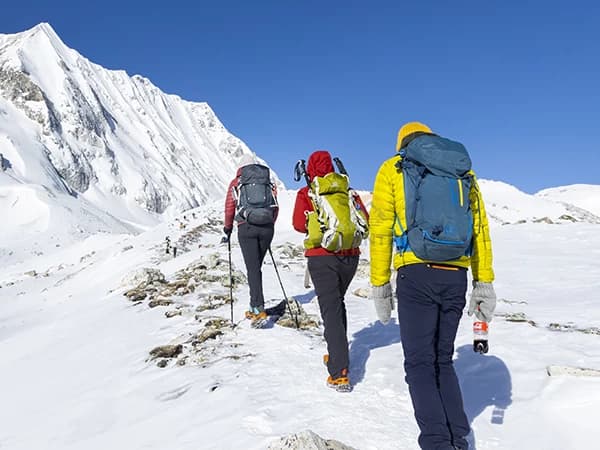
Autumn (September to November) is usually regarded as the most popular season for this restricted area trek with dry trails, clear skies and comfortable daytime temperatures. Both seasons offer safer conditions for crossing Kang La Pass (5320 m) and Thorong La Pass (5416 m), since snow and ice are less likely to block the route.
Since the Nar Phu Valley sits in a rain shadow area, even the summer monsoon season, from June to August, brings less rainfall here compared to other parts of Nepal, though trails can still be muddy in lower sections. Winter, from December to February, is possible but far more challenging, with heavy snow often closing both Kang La and Thorong La Pass completely.
The best time to plan your Nar Phu Valley Trek itinerary for most trekkers is spring or autumn when the weather is relatively safe and comfortable and the mountain views are spectacular.
Difficulty Level of Nar Phu Valley Trek
The Nar Phu Valley Trek is considered to be a challenging trek and is best for those who have some previous experience of trekking at high altitude. You will cross 2 high passes on the trip, Kang La Pass at 5320m and Thorong La Pass at 5416m, both involving long walking days, steep ascents and thin air. The trail winds through narrow gorges and rocky, uneven paths, especially between Koto and Phu Gaon, which requires good balance and steady footing.
This trek is in a restricted area so the route has fewer trekkers and limited teahouse facilities so a reasonable degree of physical fitness and mental preparedness for remote travel is important. With good preparation, a decent level of fitness and the help of an experienced guide, most trekkers with a moderate trekking background can successfully complete the Nar Phu Valley Trek.
Key Difficulty Factors:
- Two high passes above 5,000m: Kang La Pass (5,320m) and Thorong La Pass (5,416m)
- Average walking time 4-9 hours/day
- Some days involve a 1,000+ m elevation gain.
- Narrow gorges and rocky uneven paths—especially between Koto and Phu Gaon
- Limited teahouse facilities due to remote, restricted area trek status.
- Real risk of altitude sickness needing proper acclimatization and pacing
- Previous trekking or high-altitude experience recommended.
Accommodation on the Nar Phu Valley Trek
Accommodation varies throughout the Nar Phu Valley Trek. A comfortable hotel stay in Kathmandu and Pokhara will make a relaxed beginning and ending of your trip. The trekking starts at the teahouses, which are simple mountain lodges found throughout the Annapurna region and in the Nar Phu Valley.
These teahouses offer basic twin-sharing rooms with a bed, blanket and pillow. Shared bathrooms are common in most of the villages, especially in remote sections such as Phu Gaon and Nar Village. The higher you go on the trail, the more basic the rooms become, and hot showers or Wi-Fi, if available, may be an extra. As this is a restricted area trek, there are not as many teahouse options as other more popular routes, so accommodation is generally basic but sufficient for a good night's rest.
The dining halls in these teahouses are usually warm and cozy, offering trekkers somewhere to relax, eat and share stories after a long day of walking. The Nar Phu Valley Trek cost includes 2 nights of hotel accommodation in Kathmandu, 2 nights of hotel accommodation in Pokhara and full teahouse accommodation on the trek. Adventure Hikers organizes and pays for all accommodation, so you don’t have to worry about arranging or paying for it yourself.
Food on the Nar Phu Valley Trek
Food on the Nar Phu Valley Trek is simple, filling, and gives you enough energy for long days on the trail. Most teahouses along the way serve a range of local and basic international dishes. The most common and reliable meal is dal bhat, rice, lentil soup and vegetables, Nepal's traditional meal.
Other favorites include noodles, fried rice, momos, soups and porridge, beside basic breakfast items like eggs, toast and pancakes. As the Nar Phu Valley is a remote and restricted area trek, food options become more limited the higher you climb, especially in villages like Phu Gaon and Nar Village, where supplies are harder to transport. To stay hydrated and warm at high altitudes, tea, coffee and hot lemon drinks are available.
The best is to eat hot, freshly cooked food while trekking, as this minimizes the chances of stomach issues. The price of your Nar Phu Valley Trek covers all of your meals, including breakfast, lunch, and dinner. This way, you can focus on the trip and not worry about making plans for each day's food.
Transportation on the Nar Phu Valley Trek
The Nar Phu Valley Trek includes transportation by road to and from the remote trailhead, as well as the trekking route between Kathmandu and the trailhead and back. The trip begins with a beautiful drive from Kathmandu to Taal Village.
The route takes the Prithvi Highway before switching to dirtier mountain roads that bring you up into the Manang district. This drive is about 7 to 8 hours passing through green hills, small towns and along the Marsyangdi River. After the trek and crossing Thorong La Pass, you can choose to drive or fly a short distance from Muktinath to Pokhara as per your wish and time.
Your Nar Phu Valley Trek itinerary concludes with a final drive to Kathmandu on the Prithvi Highway from Pokhara. Since much of the Nar Phu Valley is a restricted area trek with no road access, all transportation within the valley itself is on foot, with porters and guides supporting the journey.
As part of your Nar Phu Valley Trek cost, Adventure Hikers includes all necessary ground transportation throughout the trip, including airport pickup and drop off, so your travel logistics are fully taken care of from start to finish.
Altitude Sickness on the Nar Phu Valley Trek
The greatest risk of the Nar Phu Valley Trek is Altitude Sickness. This is due to the trail passing over two high passes, Khang La Pass at 5320 m and Thorong La Pass at 5416m. The higher you go, the thinner the air becomes. So each breath you take needs to contain more oxygen. This can happen to trekkers regardless of age and fitness. You usually get it if you climb too fast and don’t give your body time to adjust. It's also called Acute Mountain Sickness, or AMS.
Some parts of this restricted area trek go up quickly, especially near Phu Gaon and before crossing the high passes. But getting used to the altitude is even more important. Mild symptoms are common and easy to deal with, but ignoring them at higher elevation can cause serious problems. Most people who do the Nar Phu Valley Trek can handle and avoid altitude sickness with the help of a good guide, drinking enough water, and going at the right pace.
Symptoms of Altitude Sickness
- Headache
- Nausea or vomiting
- Dizziness or lightheadedness
- Loss of appetite
- Fatigue or weakness
- Shortness of breath
- Difficulty sleeping
Prevention Tips
- Walk at a slow, steady pace
- Include acclimatization days in your itinerary.
- Stay well hydrated throughout the trek.
- Avoid alcohol and smoking at high altitude.
- Eat light, energy-rich meals
- Ascend gradually and avoid rapid elevation gain.
- Inform your guide immediately if symptoms appear.
- Consider Diamox (consult your doctor before use)
Guide and Porter on the Nar Phu Valley Trek
A good guide and porter make a real difference on the Nar Phu Valley Trek, especially as this route is a restricted area trek, which legally requires a licensed guide. Your guide will take care of the permit checks, navigation and daily planning and will also share his knowledge of the local culture, monasteries and traditions in villages like Nar and Phu Gaon.
An experienced guide also plays an important role in keeping an eye out for early symptoms of altitude sickness and adjusting the pace as needed, as the trail crosses remote and high-altitude terrain. The porters carry the heavier gear, so you can trek with a light daypack, making the long walking days and high pass crossings, such as Kang La Pass (5320 m) and Thorong La Pass (5416 m) and comfort are assured with all Adventure Hikers guides being professional, registered and experienced with the Nar Phu Valley Trek itinerary. This local support adds an additional safety net but also makes the trek more intimate, giving you a taste of the culture and people of the Nar Phu Valley.
Travel Insurance for Nar Phu Valley Trek:
If you’re going to be traveling to remote areas, including high elevations where medical facilities are hard to access, travel insurance is a must. The trek goes over Kang La Pass (5,320 m) and Thorong La Pass (5,416 m), so your insurance should cover high-altitude trekking up to at least 6,000 m.
Make sure your insurance covers emergency evacuation, like a helicopter rescue, in case you get really sick from the high altitude or get hurt on this restricted area trek where there isn't much or any road access. Along the trail, especially in remote villages like Phu Gaon and Nar Village, there aren't many medical facilities. That's why it's just as important to have insurance that covers hospital stays and medical care.
There are a lot of insurance companies that offer plans just for trekking or adventure travel, so you should make sure that your policy covers trekking at the level you need it to. Nar Phu Valley Trekkers don't get travel insurance with their trip, so they have to get it on their own before the trip. Getting the right insurance will give you peace of mind so you can enjoy this amazing trip through the Nar Phu Valley.
Packing List for Nar Phu Valley Trek
Upper Body:
- Thermal undershirts (base layers)
- Down or fleece jacket
- Windproof and waterproof jacket
- Trekking shirts (quick-dry)
- Gloves Warm
Lower Body
- Thermal tights
- Hiking trousers
- Trekking pants (waterproof)
- Warm socks (wool mix)
- Underwear - Quick Dry
Shoes
- Waterproof hiking boots
- Camp shoes and/or sandals
- Gaiters (optional for snow)
Face & Head
- A sun hat or cap
- Woolen hat warm
- Buff or shawl
- Sunglasses (UV protection)
- Extra batteries for headlamp.
Gear & Equipment
- Sleeping bag (-15°C or lower)
- Trekking poles
- Duffle bag
- Daypack (30-40 liters)
- Packing cubes or dry bags
Health and Hygiene
- First aid kit
- Personal medications.
- Diamox (check with MD)
- Hand sanitizer
Travel Size Toiletries
- Wet wipes
- Sunscreen (SPF high)
- SPF lip balm
Food and drink
- Hydration bladder or water bottle
- Purification tablets/drops
- snacks and energy bars
- Electrolyte Powder (Electrolyte Powder)
Others:
- Power Bank
- Universal adapter
- Trekking map (supplied)
- Notebook and pencil
- Camera (if you wish)
- Cash for personal use and tips
Travel Tips for Nar Phu Valley Trek
- Before you need them, make sure you book your restricted area permit and ACAP permit through a registered agent.
- In this restricted area, you can only hike with a licensed guide. You can't hike alone.
- For the most reliable weather and clearest views of the mountains, choose spring or fall.
- Take enough Nepali cash, as there are no ATMs once you are out of Kathmandu.
- Always start your hike early in the morning to avoid strong winds in the afternoon, especially before you cross high passes.
- If you don't want to get altitude sickness, walk slowly and steadily.
- There should be enough days to get used to the altitude, especially before crossing Kang La Pass and Thorong La Pass.
- Pack layers as temperatures change rapidly between day and night at high altitude.
- Take a good sleeping bag—it gets very cold in the teahouses at higher altitudes.
- Stay well hydrated during your trek and take it easy with alcohol at altitude.
- Please respect the local traditions and monasteries, particularly in culturally sensitive villages such as Nar and Phu Gaon.
- Tips are not included in the price of the trek, so bring cash.
- Get full travel insurance that covers high altitude and emergency evacuation.
- In remote villages, electricity is hard to come by, so bring a power bank and charge your devices.
- Try budget-friendly food from the area, like dal bhat, which you can find almost anywhere along the route.