Bhutan Visa Process for a 6-Day Tour
All international travelers, except for the citizens of India, Bangladesh and the Maldives, will require a Bhutan visa before entering the country. Bhutan does not offer a visa on arrival for most nationalities and it needs to be pre-approved. For your 6-day Bhutan tour, our team will handle this entire process for you, submitting your passport details, photo and travel itinerary through the official immigration system on your behalf. That means you don’t have to deal with the online application or worry about missing paperwork before your trip.
The process includes a one-time visa fee and the Sustainable Development Fee (SDF), a daily mandatory charge that funds Bhutan’s conservation, healthcare and education programs. After you have submitted your documents and made payment, the approval process usually takes 3 to 5 working days, after which you will receive a visa clearance letter confirming your entry. On arrival at Paro International Airport, your visa is stamped immediately. Most dzongs, monasteries and cultural sites in Bhutan require a licensed guide, so traveling with an organized tour like this makes the entire visa and permit process simple and stress-free.
Best Time to Visit Bhutan
Most people agree spring (March to May) and fall (September to November) are the best times to visit Bhutan. These months are characterized by dry mild weather and clear skies, ideal for tourist trips, mountain views and the Tiger's Nest hike. Rhododendrons bloom all over the hills in the spring. The Thimphu Tshechu and clear views of the Himalayas are two of the best things about autumn. This place is very popular in October, so if you want to go then, you should book your trip a few months ahead of time.
Winter, from December to February, is quieter with fewer crowds and clear skies, although nights can be cold, especially in Paro and Thimphu. The monsoon season is between June and August and although the valleys are beautiful and green during this time, it is generally not the best time to visit Bhutan, as the rains are heavier. For travelers coming on this 6-day Bhutan tour, spring and autumn are still the most reliable choices for comfortable weather and the best overall experience.
Accommodation on Your 5-Night and 6-Day Bhutan Tour
Accommodation: A 6-day Bhutan tour will be done in comfortable hotels on a single or twin-sharing basis. Accommodation will be arranged in all 3 major destinations, i.e., Paro, Thimphu and Punakha. The hotels are selected to reflect the destination, often blending modern comfort with traditional Bhutanese architecture, carved wood interiors and warm, welcoming service reflecting the country’s culture of hospitality.
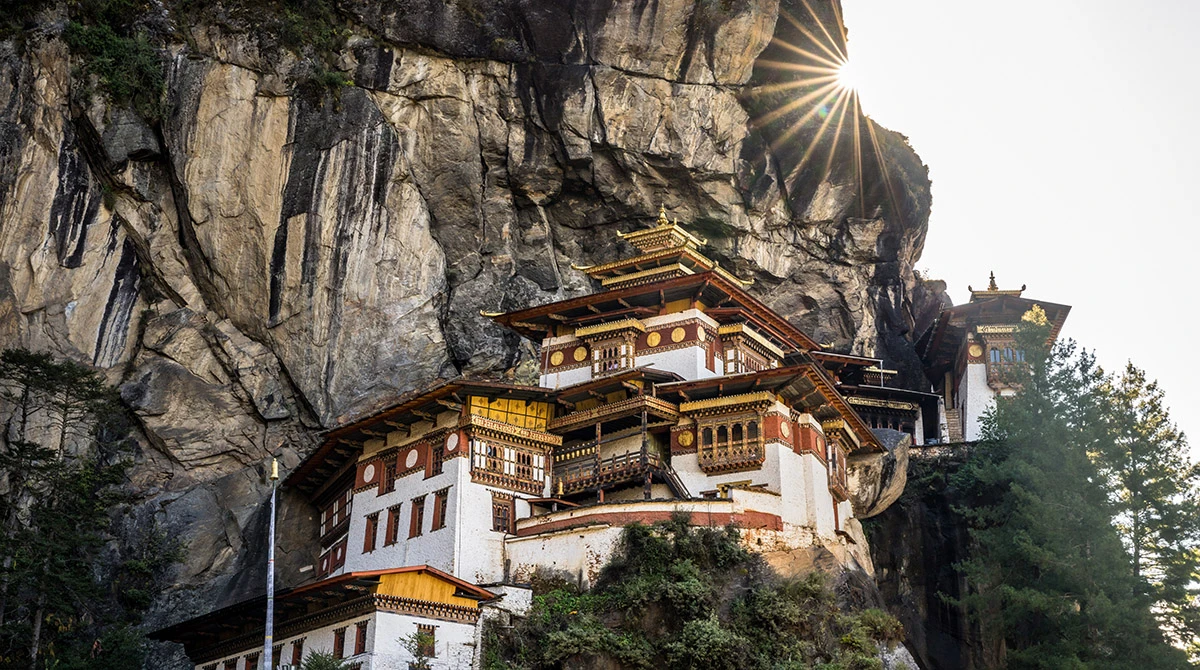
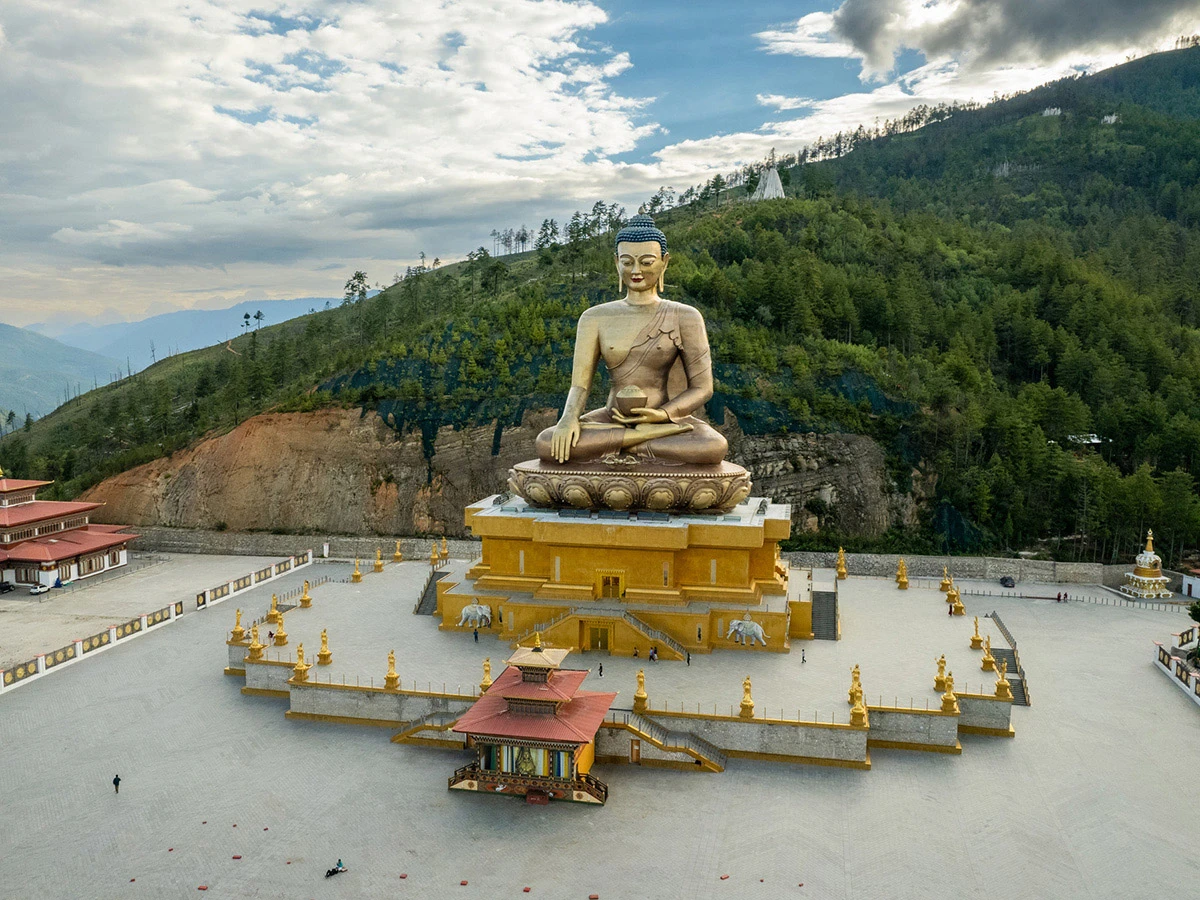
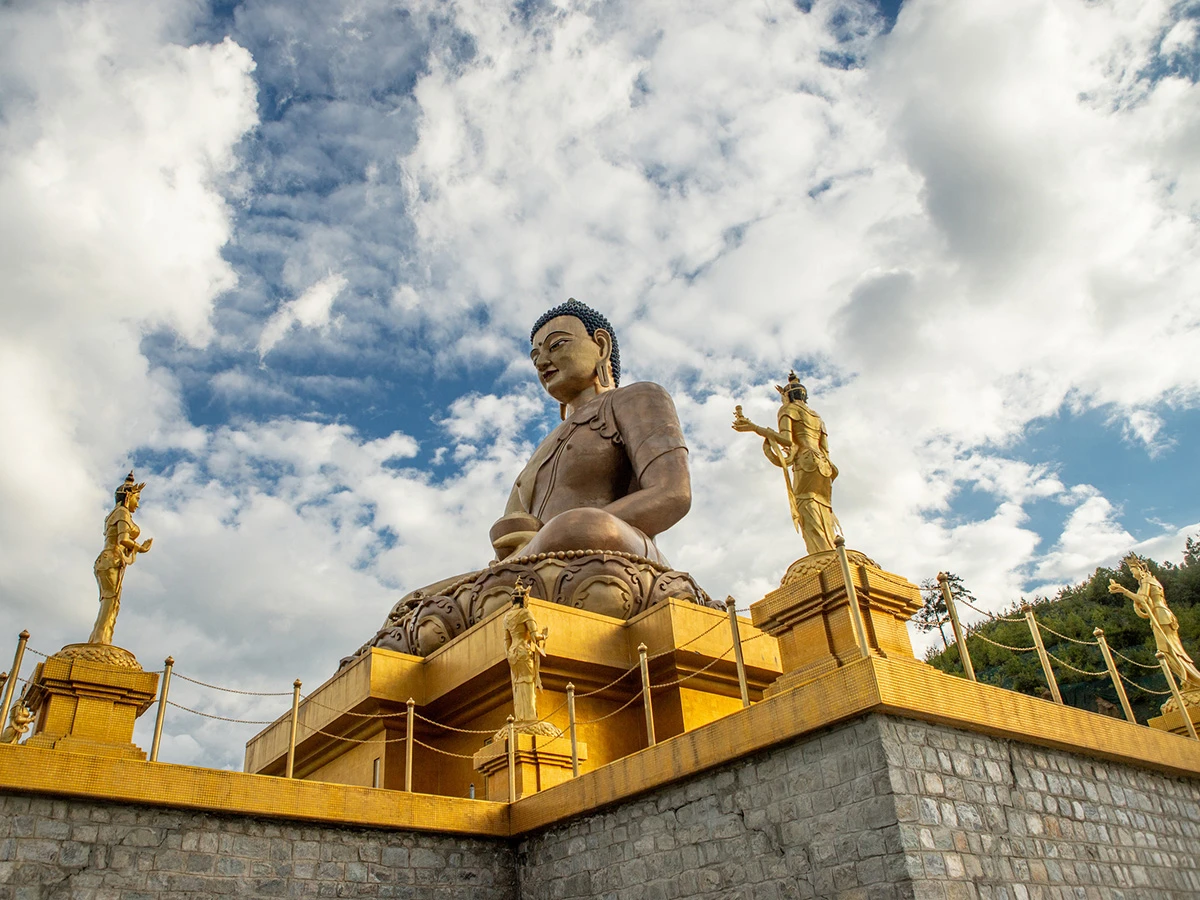
In Thimphu, you will be near the city center, so you can easily reach main sites like Tashichho Dzong and Buddha Dordenma while enjoying a quiet night away from heavy traffic. Hotels in Punakha are generally set against the backdrop of the valley’s rice fields and river views, making for a more quiet and scenic stay than the capital. Your last nights in Paro are lower down, near the valley floor, and a short drive from the airport and the trailhead for the Tiger’s Nest hike.
All the accommodations in the package are on a full board basis, i.e., breakfast, lunch and dinner are covered. You can enjoy Bhutanese and international cuisine without having to arrange meals separately. The rooms have private bathrooms and heating for the colder months and comfortable bedding to suit the changing mountain climate in Bhutan. Accommodation throughout this trip is designed to keep your stay relaxed and hassle-free, whether you’re traveling solo, as a couple or with family, so that you can focus on the cultural experience of the journey itself.
Food and Meals on Your 5N 6D Bhutan Tour
This 6-day Bhutan tour includes full-board meals, which means you will have breakfast, lunch and dinner every day. It’s a great way to have a mixture of Bhutanese and International dishes without having to worry about where to eat. The food of Bhutan is known for its strong flavors, often revolving around chilli and cheese. The most famous Bhutanese dish is ema datshi, a hot dish of chiles and melted cheese. You can also try some of the dishes, such as red rice, pork with radish and buckwheat noodles, especially in the high-altitude areas such as Thimpu and Paro.
Meals are usually at your hotel or at local restaurants along the route, giving you a real taste of Bhutanese home-style cooking. The warmer weather in Punakha also means fresh vegetables and fruits are used in many dishes, so you get variety in your meals during that part of the trip. For the less adventurous, most hotels and restaurants also serve familiar continental and Indian food as well as traditional Bhutanese food. This Bhutan tour package includes all meals, so you can enjoy the local cuisine at every stop without any extra planning or added cost.
Sustainable Development Fee (SDF) for Bhutan Tour Packages
The Sustainable Development Fee (SDF) is a daily government fee for most international tourists traveling to Bhutan. Currently, it is USD 100 per person per night, or USD 100 per person per night with concessionary rates for children. This fee is in addition to the one-time visa application fee and is an important part of Bhutan’s high-value, low-volume tourism policy, which is designed to restrict mass tourism and preserve the country’s environment and culture.
The SDF is a meaningful contribution, not a travel cost, as it directly supports Bhutan’s healthcare, education, infrastructure and conservation programs. Accommodation, meals, guide services and entrance fees are not included. That is why a well-structured Bhutan tour package like this one combines everything together for a smoother experience. We will take care of the SDF payment and your visa application as part of your 6-day Bhutan tour so you don’t need to calculate or pay it separately once your trip is booked.
6 Days Bhutan Trip Difficulty
This 6-day Bhutan tour is rated as an easy to moderate trip and is suitable for most of the travelers irrespective of their trekking experience. The only physically demanding part of the itinerary is the hike to Tiger’s Nest Monastery, which is a steady uphill hike but requires no technical skills. This tour is suitable for a wide variety of travelers, including first-time visitors to the Himalayas, with relaxed pacing, full-board meals and guided assistance at all times.
- Overall, the trip was moderate to easy.
- Most days you’ll walk a little and do light activities.
- The most difficult part is the hike to the Tiger’s Nest, about 6.4 km round trip.
- The elevation changes are gentle; there is no technical climbing involved.
- Good for beginners, families, and older travelers with a reasonable level of fitness
- For those not wanting to hike the entire distance to the Tiger's Nest, there is an option to take a mule ride for part of the trail.
- Easy daily pace with lots of time for rest in between activities
- Currency and Payments in Bhutan
The Bhutanese Ngultrum (BTN) is Bhutan’s official currency. It is pegged to the Indian rupee and has the same value across the country. Most of the shops, hotels, and markets accept Indian rupees, which is convenient for travelers coming from India or Nepal. However, it’s advisable to have some Ngultrum in cash for small purchases, local markets, and tips, especially outside the main towns of Paro and Thimphu.
Some restaurants and some shops in cities will accept credit and debit cards, as will larger hotels, but in smaller towns or in rural areas, acceptance may be limited. There are ATMs in Paro and Thimphu, plus a few other major towns, but it is wise to withdraw enough cash in advance if you are traveling to quieter parts of the country. With this Bhutan tour package, most of the costs, such as accommodation, food and transportation, are covered, so you will mainly need cash for personal expenses, souvenirs, and tips during your trip.
Packing List for Your Bhutan Tour
Clothing
- To keep warm in the mornings and evenings when it's cool, wear fleece or a light jacket.
- Pants or pants for trekking that are comfortable
- When going to monasteries and dzongs, you should wear clothes that cover your shoulders and knees.
- A light jacket for rain or wind
Shoes
- Shoes for walking or hiking that are comfortable
- Extra socks for the walk to Tiger's Nest
Personal and Health Care
- Sunscreen and sunglasses for high-altitude use in the sun
- Medicines for yourself and a small first-aid kit
- Cleansers and wet wipes
Things you must have for a trip
- A valid passport and a printed letter approving the visa.
- Power adapter for all devices
- Water bottle (can be used again)
- Easy-to-carry daypack for everyday adventure
Added on
- A camera or phone with extra space for pictures
- Hiking pole for the Tiger's Nest trek (you can rent these in the area)
- Money in Indian rupees or Ngultrum for tips and personal costs
Altitude and Health Tips
This 6-day Bhutan tour involves moderate altitude variations, especially when you cross the Dochula Pass and hike to the Tiger’s Nest Monastery. While it doesn’t need the serious high-altitude preparations of long treks, some simple precautions will keep you comfortable during your trip in Bhutan.
- Keep hydrated, especially on the drive to Punakha and the Tiger's Nest hike.
- Walk at a relaxed, steady pace during the Taktsang trek, rather than rushing uphill.
- Carry basic medication for headaches or mild altitude sickness.
- Layer up so you can adjust easily to changing temperatures at different elevations.
- Take short breaks at viewpoints such as Dochula Pass for natural acclimatization.
- If you feel unwell on the hike or drive, inform your guide immediately.
- Get ample rest, especially on your first night in Thimphu
Local Customs and Etiquette in Bhutan
In Bhutan, especially at religious and cultural sites, respect, tradition, and being present are essential. To have a pleasant and respectful time on your 6-day Bhutan tour, follow a few simple rules of manners.
- When visiting dzongs and monasteries you should dress modestly, covering your shoulders and knees.
- On entering temples or monastery halls, shoes and hats must be taken off.
- When sitting, do not direct your feet at statues, altars or monks.
- Always ask permission before taking photos of monks, locals or religious ceremonies.
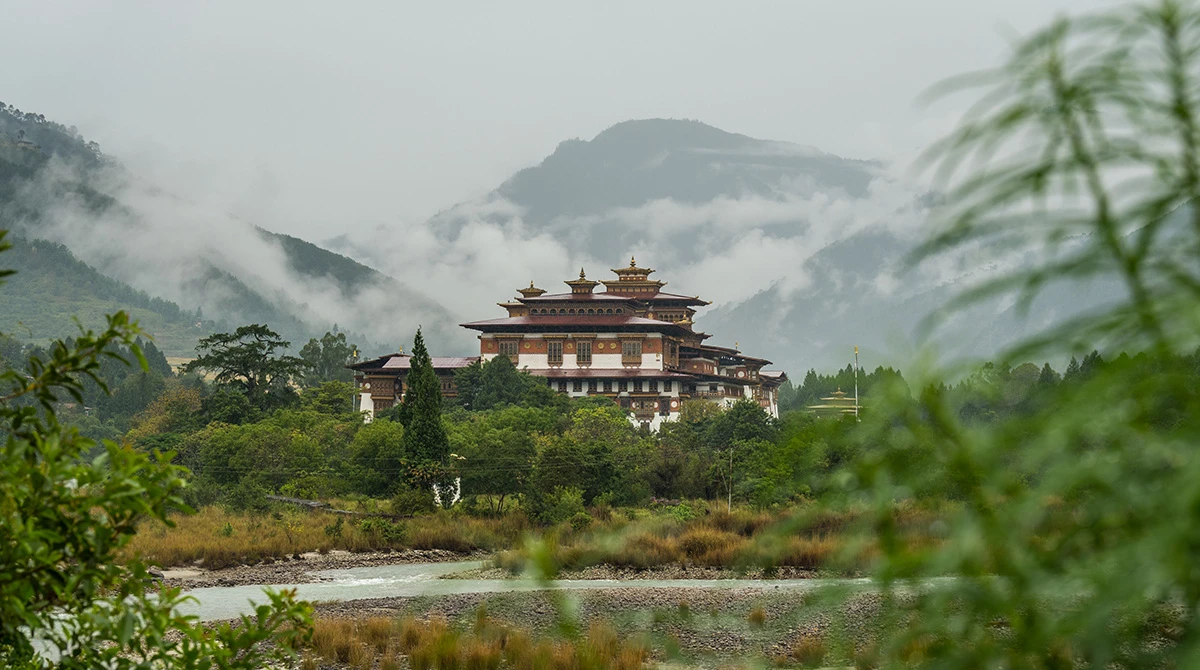
- Do not shout inside Tashichho Dzong, Punakha Dzong, and other religious places.
- Circulate chortens, prayer wheels, and religious monuments clockwise.
- Do not touch religious artifacts, statues, or paintings without guidance.
- At each site, listen to your guide’s instructions: some places have specific customs.