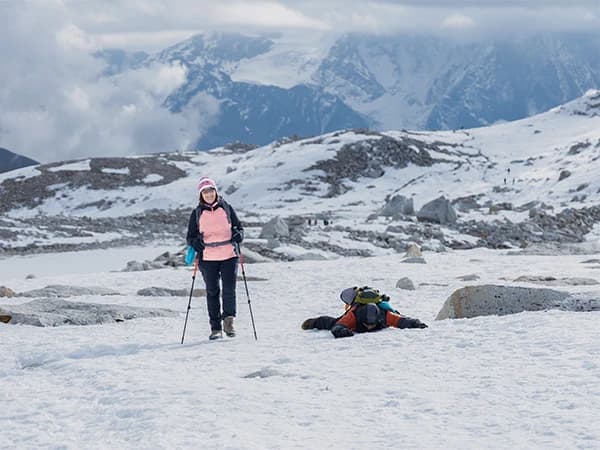
Difficulty of Nar Phu Valley Trek
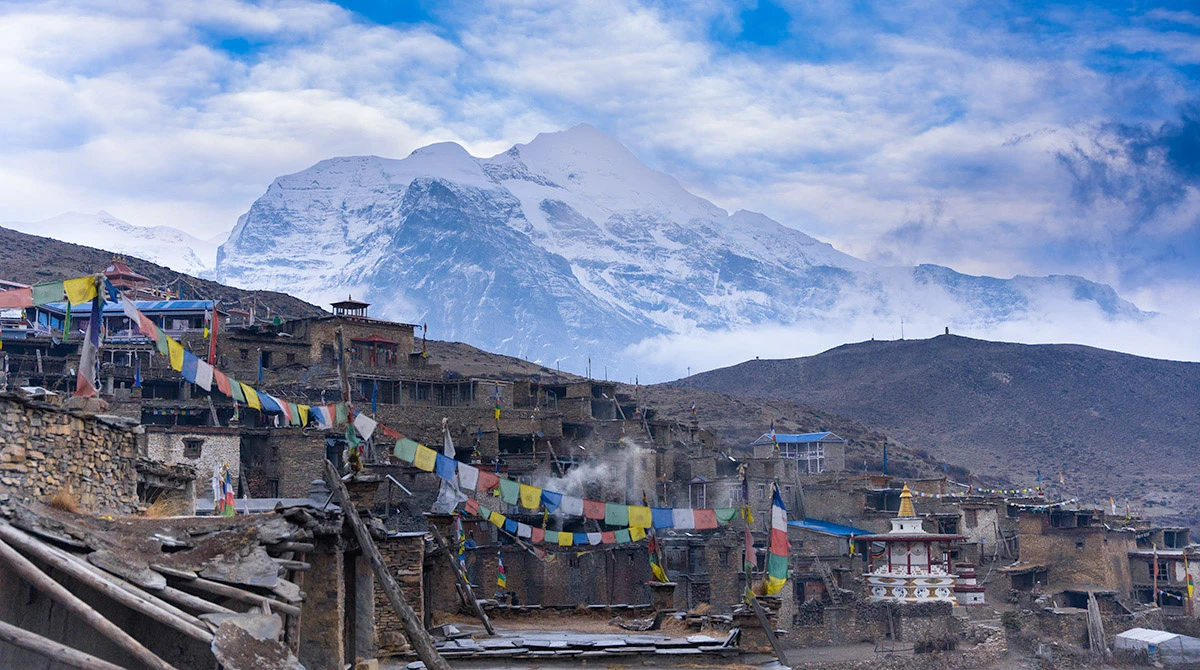
The Nar Phu Valley Trek is rated strenuous and is therefore suitable for trekkers with prior high-altitude experience. The trail is a long trekking day, steep ascents and a tough crossing of Kang La Pass at 5320 meters. This restricted area trek requires good physical fitness and mental preparation.
- Trekking days average 6 to 9 hours
- The trail includes steep ascents and descents.
- Narrow gorge sections with exposed cliff paths
- High-altitude crossing at Kang La Pass
- Basic teahouse facilities in remote sections
- Prior trekking experience recommended
Best Time to Trek Nar Phu Valley
The best time for the Nar Phu Valley Trek is spring and autumn. Spring runs from March to May. Autumn runs from September to November. Both seasons bring clear skies and stable weather. You'll get strong mountain views during the day.
Nights stay cold, especially near Kang La Pass, so warm gear is a must. What makes this trek different is its location in a rain shadow area. This means you can also trek during monsoon season, from June to August, when most other Nepal treks become difficult. Rainfall stays light here compared to the rest of the country.
Winter is possible too, but heavy snow can block Kang La Pass, so it's less common. Overall, this restricted area trek offers more flexibility than most other treks in the Annapurna region.
Accommodation on the Trek
Accommodation on the Nar Phu Valley Trek is a mix of teahouses and basic lodges. You will be accommodated in comfortable hotels with modern amenities in Kathmandu and Pokhara. The teahouses get more basic the higher you climb once the trek has started.
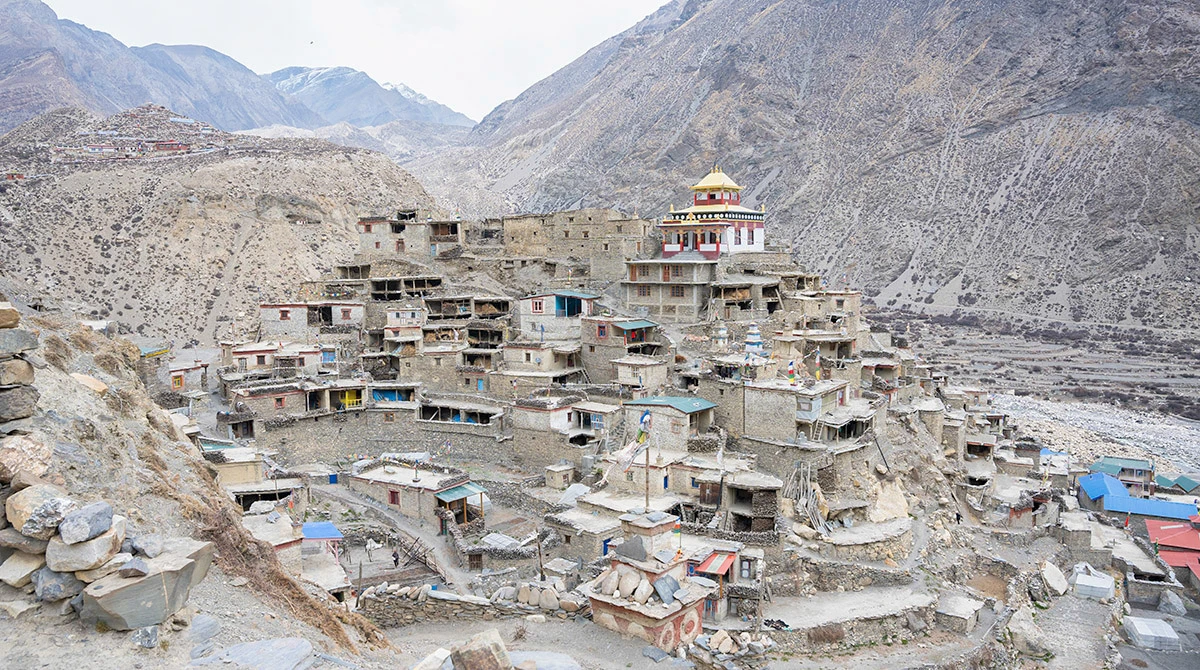
Rooms are usually twin sharing with a bed, blanket and pillow. Bathrooms are frequently communal, particularly in remote villages like Nar and Phu. Hot showers may cost you extra in some places. As this is a restricted area trek, some stretches have limited teahouses, so rooms can be basic but clean.
Sleeping bags are recommended, particularly for colder nights around Kang La Pass. Teahouses are simple but most offer a warm eating space where trekkers get together in the evening.
Food During the Trek
Food during the Nar Phu Valley Trek is simple, filling, and mostly local. Breakfast usually includes items like porridge, eggs, toast, or Tibetan bread. Lunch and dinner often feature dal bhat, Nepal's traditional rice and lentil meal, along with vegetables and pickles.
You'll also encounter noodles, soups, and momos at most teahouses. As you move deeper into the Tibetan Buddhist villages of Nar and Phu, food becomes more basic due to limited supply routes. Hot drinks like tea, coffee, and garlic soup are popular, especially at higher altitudes, where garlic soup is believed to help with acclimatization.
It's a wise idea to carry some snacks or energy bars for long trekking days, especially before the Kang La Pass crossing.
Permit Required for Nar Phu Valley Trek
For the Nar Phu Valley Trek, a special permit is required, as it passes through an area that is not open to the public. These permits help control the number of tourists in Nar and Phu and protect the fragile culture and environment of these villages. These permits must be arranged by a licensed trekking agency.
- Nar Phu Valley Restricted Area Permit (RAP)
- ACAP (Annapurna Conservation Area Permit)
- TIMS card, if applicable
- Permits arranged only through registered trekking agencies
- Permit checkpoint at Koto village
Packing List for Nar Phu Valley Trek
Upper Body
- Thermal top base layer
- Down jacket, fleece jacket.
- Windproof/waterproof jacket
- T-shirts (drys fast)
Lower Body
- Thermal tights
- Hiking Trousers
- Waterproof trekking trousers
- Underwear
Headwear & Accessories
- Sun cap/sun hat for hiking
- warm woollen hat
- Buff or neck gaiter
- Sunglasses (UV protection)
- Spare batteries for headlamp
Hands and Feet
- Gloves, inner
- Outer gloves insulated
- Hiking boots
- sandals/camp shoes
- Woollen socks (several pairs)
- Liner socks
Gaiters
- Gear & Sleep
- Sleeping bag – 4 season, for -15C or lower
- a duffel bag
- Daypack (30-40L)
- Trekking Ploes
Health & Hygiene
- First-aid kit
- Individualized healthcare
- Diamox (for altitude, see doctor)
- Hand sanitizer
- Wet-tissues
- toothbrush & toothpaste
- Sunscreen (high SPF)
- SPF Lip Balm
Documents
- Copies of passport and visa
- Permit documents (ACAP, RAP)
- Travel insurance documents
- Passport-size photo
Others
- Water bottles / hydration bladder
- Water purification tablet
- Power bank
- Energy bars/snacks
- Nar Phu Valley trekking map
- camera
- Cash (small denominations of currency in Nepal)
Altitude Sickness on Nar Phu Valley Trek
Altitude sickness is a real danger on the Nar Phu Valley Trek, especially as you ascend toward Kang La Pass at 5,320 meters. That’s because your body doesn’t have time to adjust to the lower oxygen levels at higher elevations. That is why there are built-in acclimatization days in the itinerary so that your body can adjust in a gradual way. Most cases are mild and improve with rest but ignoring the symptoms could lead to more serious problems. “Be aware of how you feel day-to-day on this restricted area trek. Some areas are remote and have limited medical assistance.
- Symptoms
- Headache
- Nausea or loss of appetite
- Dizziness
- Fatigue or weakness
- Shortness of breath
- Difficulty sleeping
- Rapid heartbeat
Prevention
- Climb slowly, especially above 3500m.
- See included acclimatization days.
- Be sure to drink lots of water on the hike.
- Avoid alcohol and sleeping aids at altitude.
- Eat lightly, but eat energy-giving foods.
- If you feel worse, tell your guide at once.
- If symptoms fail to improve with rest, worsen
Guide for the Trek
The Nar Phu Valley Trek is a restricted area trek in Nepal and therefore a licensed guide is required. Your guide will handle the permit checks, route planning and daily logistics. Most of our guides have many years of experience trekking in the Annapurna region and know the conditions on the trail.
Furthermore, they are useful for communication in remote villages, where English is not spoken, like Phu Gaon. The guides really add value, apart from logistics, by giving insights into the local culture, especially the Tibetan Buddhist traditions that are present in Nar and Phu. Another important function is safety, especially when crossing the Kang La Pass at high altitude, where a guide’s experience with altitude and weather conditions is crucial.
Porter Support
Porters are optional but highly recommended for the Nar Phu Valley Trek, given the long trekking days and steep terrain. A porter usually carries the bags of two trekkers at most, using a duffel bag provided at the start of the trip. This means you can hike with just a light daypack with water, snacks and personal items.
Porters are generally local people from the Annapurna region who know the trail and the altitude. You are also supporting the local economy by hiring a porter, as many families in this region rely on trekking tourism to make a living. Porter service is not included in the standard package but can be added at a small extra charge and is a popular choice for trekkers on a demanding restricted area trek such as this one.
Travel Tips for Nar Phu Valley Trek
- Book restricted area trek permits well in advance through a licensed agency.
- Arrive in Kathmandu a minimum of 1 day prior to departure for the gear checks and briefing
- There are no ATMs when you leave Besisahar so bring enough Nepali cash with you.
- Layer clothing because temperatures change drastically between valley and high-altitude sections
- Before you go, break in your trekking boots to avoid getting blisters.
- Drink plenty of water during the trek and avoid alcohol to lower the risk of altitude sickness.
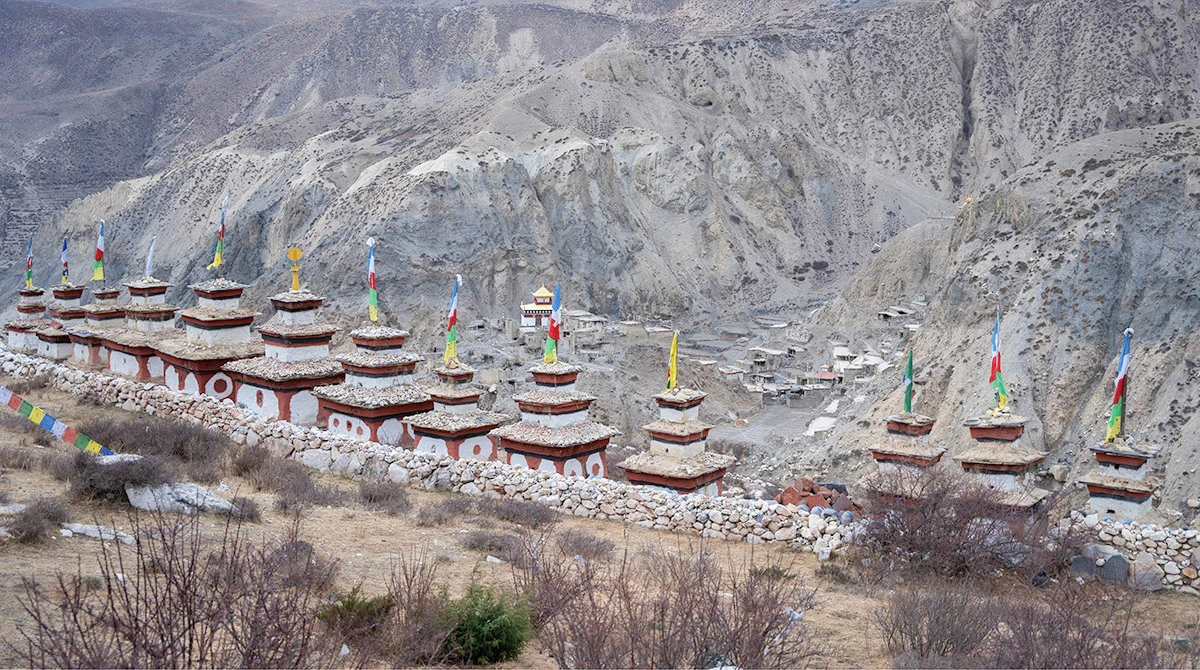
- In Tibetan Buddhist villages like Nar and Phu, please follow the rules and traditions of the people who live there.
- Before taking pictures of people in the area or going into monasteries, make sure you get permission.
- Keep a printed and electronic copy of your permits and travel insurance
- Keep close to your guide, especially on the ascent to Kang La Pass.
- Always carry a basic first aid kit and any personal medication.
- When you can plug into the hotel electricity, be sure to charge power banks and electronics, as options are limited in remote villages.
- Pack smart; porters have a weight limit, but travel light.
- While crossing the Kang La Pass, check the weather. Strong winds mean poor visibility.