Solo Traveler and Single Supplement Pricing
This Nepal photography tour is suitable for solo travelers, small groups, and private bookings. If you are traveling alone, you can still join the trip, but a single supplement fee usually applies to cover the cost of a private room rather than twin or double sharing at each hotel and resort on the route.
This is the preferred setup for solo travelers who want to go on photography trips without having to coordinate with a roommate to catch the early sunrise at Pumdikot or the late blue hour at Boudhanath. If you want to share a room and avoid the single supplement, we can try to match you with another solo traveler on the same dates, if available.
The exact price for the single supplement and for solo travelers is best confirmed with our team at the time of booking, as this can vary slightly depending on the season and on hotel availability in Kathmandu, Pokhara, and Chitwan.
Accommodation for Photography Tour in Nepal
Throughout this Nepal photography tour, you'll stay in comfortable, well-located hotels chosen to support both rest and photography. In Kathmandu, you'll spend three nights in a luxury hotel, ideally located in or near Thamel. This area gives you easy access to the valley's heritage sites and puts you close to good cafes and rooftop views for evening shots after a long day of shooting.
In Pokhara, you'll stay two nights in a lakeside luxury hotel. A room facing the mountains or Phewa Lake is a real advantage here, since it lets you catch early morning light on the Annapurna Himalaya range without even stepping outside. Pokhara's hotels are generally more relaxed and spread out, giving you a calmer base after the busy sightseeing days in Kathmandu.
Your last overnight is in Chitwan, where you spend one night at a jungle resort near Sauraha, close to the entrance to the national park. These resorts are designed to be in harmony with the environment and often feature gardens, open courtyards, and forest views. Being so close to the park, we can easily start the jungle walk and the jeep safari in the early morning.
Accommodations have been chosen on this trip for comfort, location, and easy access to each day's activities so that you can concentrate on photography and not worry about long transfers or inconvenient stays. Mostly the room types are twin or double share, and for those who prefer a private room, a single supplement applies.
Food during the Nepal photography tour
Food is a huge part of experiencing Nepal, and this Nepal photography tour includes breakfast, lunch, and dinner throughout the trip. Meals are provided by your hotels or local restaurants along the way, so you don't have to plan anything yourselves, but you still get a satisfying mix of convenience and authentic flavor.
In Kathmandu, you will get a taste of Newari cuisine, one of the most unique food cultures in Nepal. Momos, bara, and yomari are common here and also make for great food photography if you are fond of capturing more than just landscapes. Many restaurants in Thamel and Patan serve these dishes in traditional settings, adding yet another layer to your cultural photography tour.
In Pokhara, you will find Thakali thali, which is a full-course meal usually served on one plate with rice, lentils, vegetables, and meat or pickles. The Thakali thali is a filling, well-balanced meal that is popular throughout Nepal, particularly in the hills around Pokhara.
Food in Chitwan is often typical of Tharu cuisine or the food of the indigenous community of the Terai region. Here you can expect simple, home-style cooking with local vegetables, fish and rice, which will complement the cultural show you’ll attend on day six.
Let your guide know in advance about any dietary restrictions or preferences, and they will try to accommodate them. You’ll find plenty of vegetarian options on your trip.
Best Season for Nepal Photography Tour
The best months for a photography tour are September to November and March to May, when the skies are generally clear and the mountain visibility is at its best.
The quality of your photos can be greatly affected by when you go on your Nepal photo tour. The best months to visit are September to November and March to May, when the skies are generally clear and the mountain visibility is at its best.
The best time is the autumn, from September to November. It is just after the monsoon, and the air is clean and the skies mostly clear. This is the time for the best views of the Annapurna Himalaya range from Pumdikot and the World Peace Pagoda, along with pleasant day temperatures for heritage and wildlife photography in Kathmandu and Chitwan.
Spring (March to May) is another good time to visit. Temperatures are comfortable, and rhododendron flowers light up the hillsides around Pokhara. Mountain views can be a bit hazy compared to the autumn months, particularly later on in the season, but early spring mornings can still be a good time for landscape photography in Nepal.
The winter months of December to February are cold but generally clear, particularly in the mornings. Photographers who don’t mind cooler temperatures can benefit from this weather, but early starts are recommended before winter fog sets in in Kathmandu.
Best avoided during the monsoon season from June to August. Heavy rain reduces visibility, raises the likelihood of delays for flights between Kathmandu and Pokhara, and makes outdoor activities in Chitwan less comfortable. If your main interest is in getting clear mountain views and consistent light on your trip, then autumn or spring is your best option.
Flight to Pokhara Experience
The short flight from Kathmandu to Pokhara is one of the highlights of this Nepal photography tour. The flight is only 25-30 minutes long and covers approximately 146 km, but the aerial views are some of the best you’ll get on the trip. On a clear day, you can see the Himalayan range stretching on the horizon, from Manaslu to parts of the Annapurna range.
If photography is your main goal, try to get a window seat on the left side of the plane. This side usually faces the mountains during the Kathmandu to Pokhara route, giving you a clean, unobstructed view for aerial shots. Even a phone camera can capture strong images here, so it's worth keeping your gear ready before takeoff.
Beyond the views, the flight itself is a quick and comfortable way to save time. Instead of spending 6 to 8 hours on the road, you'll land in Pokhara within half an hour, leaving you more time to settle in and prepare for the next day's landscape photography around Pumdikot and the World Peace Pagoda.
For travelers who prefer the ground route, the drive is also covered separately in your itinerary and offers a different set of photo opportunities along the way. But for a fast, scenic introduction to Nepal's mountains, the flight to Pokhara is difficult to beat.
A Day of Chitwan Nature Tour
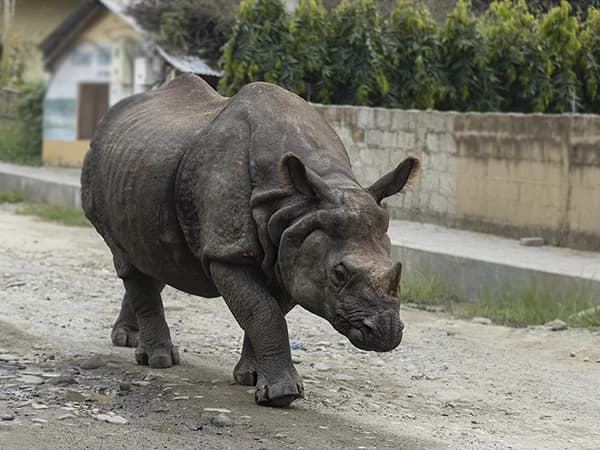
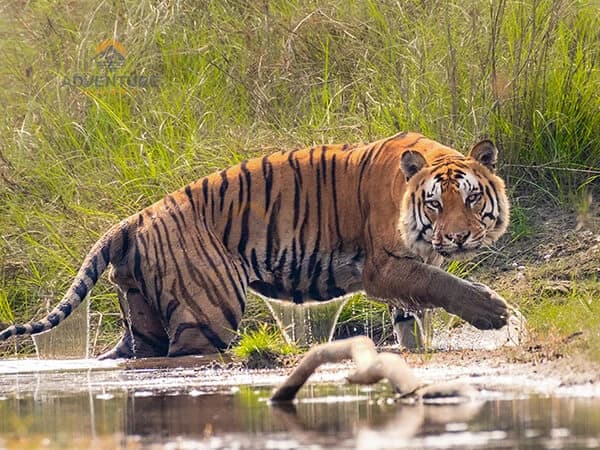
The Chitwan section of this Nepal photography tour is a complete change of scenery after days of mountains and heritage sites. Established in 1973 and declared a UNESCO World Heritage Site in 1984, Chitwan National Park covers almost 950 sq km of forest, grassland and river systems in the southern lowlands of Nepal. It is one of Asia’s top wildlife photography destinations and is home to the greater one-horned rhinoceros, Bengal tiger, gharial, crocodile, and over 500 species of birds.
Here your nature experience is a guided jungle walk through sal forest and tall grassland, led by trained naturalist guides who know where the wildlife tends to gather. Walking lets you see the park up close and quietly like a vehicle doesn't, which is perfect for getting detail shots of deer, birds, and the forest itself.
A canoe ride along the Rapti River adds another dimension to your experience. As you silently drift downstream, crocodiles bask on the banks and a number of species of waterbirds are often visible along the banks. The low angle from the canoe is ideal for reflection shots and calm river light, especially early morning or late afternoon.
A jeep safari rounds off the day with a wider search of the park’s grassland and forest tracks. This is your best chance for close rhino sightings and, if you are lucky, the occasional Bengal tiger. The open jeep is also better for shooting with a telephoto lens, as it doesn’t disturb the animals.
These three perspectives of Chitwan’s wildlife—jungle walk, canoe ride and jeep safari—are a good finish to your nature and wildlife photography tour before heading back to Kathmandu.
Best Time to Shoot: Golden Hour and Blue Hour Guide
Exact sunrise and sunset times shift slightly through the trip, but here's a general guide for planning your best light at each stop on this Nepal photography tour. Times are based on the autumn and spring seasons, the ideal window for this trip.
| Location |
Best Time |
Light Notes |
| Swoyambhunath (Day 1) |
Sunrise, around 6:00 to 6:30 AM |
Soft golden light on the stupa and valley views, fewer crowds early on |
| Pashupatinath (Day 1) |
Late afternoon, around 4:00 to 5:00 PM |
Warm side light on the temple and riverside rituals |
| Boudhanath (Day 1) |
Blue hour, just after sunset, around 6:00 to 6:30 PM |
Prayer flags and monastery lights create good contrast against the darkening sky. |
| Bhaktapur Durbar Square (Day 2) |
Early morning, around 7:00 to 8:00 AM |
Soft light on temple carvings before the square gets busy |
| Patan Durbar Square (Day 2) |
Late afternoon, around 3:30 to 4:30 PM |
Warm tones on the palace complex and golden roof details |
| Pumdikot (Day 4) |
Sunrise, around 6:00 to 6:30 AM |
Clearest views of the Annapurna Himalaya range before haze builds up later in the day |
| World Peace Pagoda (Day 4) |
Early morning, right after Pumdikot |
Soft light on the white stupa with a mountain backdrop |
| David's Falls (Day 4) |
Midday to early afternoon |
Even light works well here since the falls sit in a shaded gorge. |
| Chitwan jungle walk and canoe ride (Day 6) |
Early morning, around 6:00 to 8:00 AM
|
Best chance of wildlife activity and soft light on the river |
| Chitwan jeep safari (Day 6) |
Late afternoon, around 3:30 to 5:30 PM |
Animals are more active as temperatures cool, with warm low light for photos |
Planning your shoot list around these windows helps you make the most of each stop, especially at Pumdikot and Boudhanath, where the light changes quickly and timing matters most.
Drone and Permit Assistance
If you’re thinking of bringing a drone on this Nepal photography tour, then it’s important that you’re aware that drone use in Nepal is heavily regulated. All drones, regardless of size or nationality of operator, should be registered with the Civil Aviation Authority of Nepal (CAAN) prior to flying anywhere in the country. This rule does not exempt even small hobbyist drones under 250 grams once you leave private property. You may need permission from the Ministry of Home Affairs, depending on your drone's weight and where you fly it. If you wish to fly inside Chitwan National Park, you will need a separate permit from the Department of National Parks and Wildlife Conservation.
This itinerary imposes heavy restrictions or outright bans on drone use at several key stops. Flying is generally discouraged over cultural and religious zones such as Swoyambhunath, Boudhanath, Pashupatinath and the Durbar Squares in Bhaktapur and Patan out of respect for the local communities. The use of drones is also restricted in Chitwan National Park, as the noise can disturb wildlife, including rhinos and birds, which are a key part of your wildlife photography experience here. Flights near airports are also strictly regulated, including the short domestic routes to and from Pokhara and Chitwan.
If you're thinking of bringing a drone with you on this trip, we recommend you contact us beforehand so we can help you with the registration process and advise you on which stops will allow drone photography and which will not. By performing this planning ahead of time, you save yourself from confiscation, fines or disappointment on the ground and can concentrate on getting the shots you came for, whether handheld or from the air.
Packing List for Photography Tour in Nepal
Clothing
- Light, breezy clothes for warm days in Kathmandu, Pokhara and Chitwan
- Light jacket or fleece for cool mornings and evenings
- Comfortable walking shoes for heritage sites and jungle walks
- Hotel/Resort: Wear Sandals or slip-on shoes.
Health & Personal Wellness
- Sunscreen and sunshades
- Insect repellents, particularly for Chitwan
- Personal medications and basic first aid supplies;
- Wet wipes and hand sanitizer
- Water bottle, reusable
Documents & Necessities
- Passport valid for at least 6 months
- Printed or electronic copies of your reservation confirmation
- Visa on arrival or Nepal visa papers
- Travel Insurance Information
- Cash in Nepali Rupees for personal expenses and tipping
- General power adapter
- Small day pack for everyday adventures
Optional but Useful
- Chitwan Wildlife Spotting Binoculars
- Book or journal for trip notes
- Powerbank
- Drone-provided prior permits are secured.
Camera Equipment
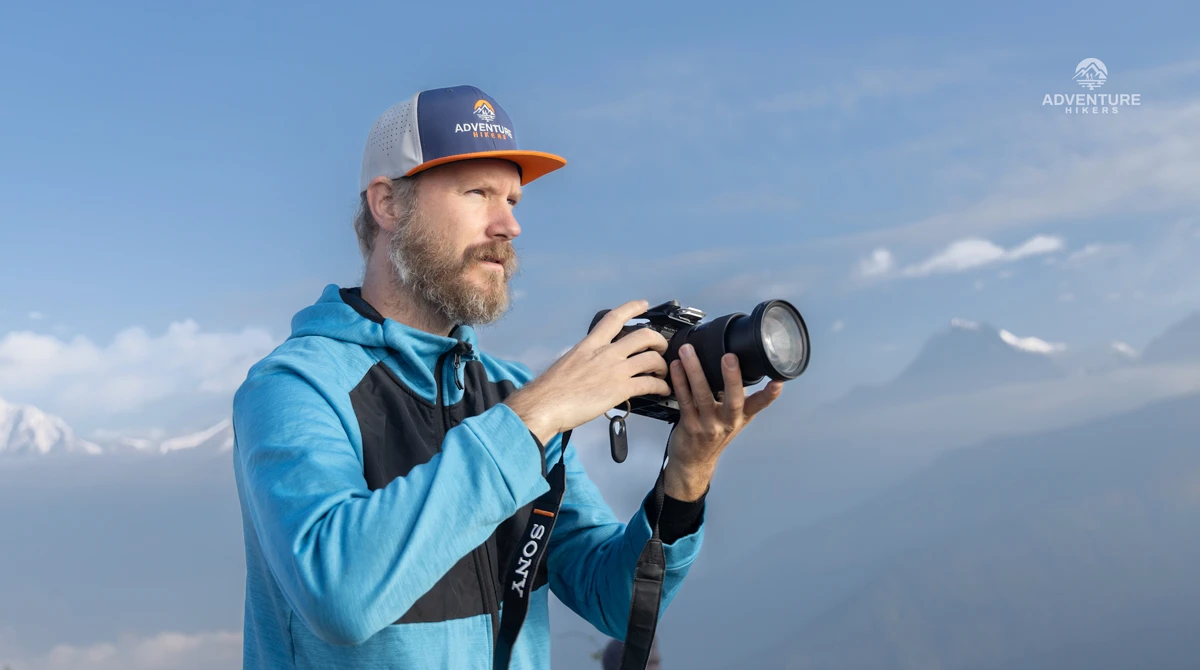
- DSLR or mirrorless camera body and a backup if possible.
- Wide Angle Lens for Heritage Buildings and Landscapes
- Chitwan wildlife photography telephoto lens (200mm or more)
- Extra batteries for the camera and a power bank
- Memory cards that can hold a week’s worth of shooting.
- Lightweight tripod for sunrise, sunset and low-light shots
- Lens cleaning kit, microfiber cloth
- Dust & rain cover for camera gear
- Extra SD card case and card reader for backups
Photography Etiquette
When taking photographs in Nepal, especially at religious sites and amongst local communities, you have a responsibility to respect local customs. On this Nepal photo tour you will visit many places that are not just tourist attractions but are active places of worship and daily life, including Pashupatinath, Boudhanath and the Durbar Squares. A little awareness can help you take great pictures while respecting the people and places around you.
- Always ask first before taking photos of people directly, especially at religious sites like Pashupatinath.
- Please do not take close-up shots of cremation ceremonies at Pashupatinath, as this is a private and sacred time for families.
- Dress modestly when visiting temples and stupas and be respectful of your behavior inside sacred spaces.
- As is the local tradition, walk clockwise around Buddhist stupas such as Boudhanath.
- No flash photography inside temples, monasteries and dark shrines
- Follow any posted signs or restricted areas for photography.
- Be patient and polite with sadhus or holy figures; some may ask for a small donation in return for a photo.
- Tharu cultural show: Maintain a respectful distance unless the performers invite you to come closer.
- Do not fly drones near religious sites and heritage zones (see drone permit section).
If you're unsure, ask your guide to request permission to photograph someone, as they typically have a better rapport with the communities along the route.
Optional Add-on Days
If you'd like to extend your Nepal photography tour beyond the standard seven days, a few real add-on options are available directly through Adventure Hikers.
- Bardia National Park Tour - 4 Days: A quieter, less crowded alternative to Chitwan, with a stronger chance of Bengal tiger sightings for photographers focused on serious wildlife shots.
- Everest Helicopter Tour: A one-day add-on offering close-up aerial views of the Everest region, a strong option if you want high-altitude mountain shots without extra trekking days.
- Kathmandu Valley Tour: A dedicated one-day cultural tour that can be added before or after your main itinerary if you want more time at Kathmandu's heritage sites.
- Pokhara Tour - 3 Days: Useful if you want additional time around Pokhara for landscape photography beyond the single day covered in this itinerary.
- Upper Mustang Jeep Tour: A good option for photographers interested in the dramatic desert-like landscapes of Mustang, distinct from the green hills covered in this trip.
- Bhutan extension: Since Adventure Hikers also operates in Bhutan, this can be arranged as a separate add-on for photographers wanting to cover two Himalayan countries in one trip.
Any of these can be added at the start or end of your main itinerary, and our team can help arrange logistics so travel between the extension and the core seven-day trip stays smooth.
FAQ
1. What is the best time to visit Nepal for this photography tour?
The best months are September to November and March to May. Generally, the best time for clear skies and the best mountain views is in autumn, especially for shots of the Annapurna Himalaya range from Pumdikot and the World Peace Pagoda. Spring is a good time to visit for milder weather and rhododendron blooms that paint the hills of Pokhara. Avoid the monsoon season (June-August) when heavy rainfall occurs, as this can lead to flight delays. Steer clear of the monsoon season (June-August) when heavy rainfall causes flight delays.
2. Do I have to be an experienced trekker for this trip?
No.” This is a non-trekking itinerary, and instead you will travel between locations by vehicle or short domestic flights, unlike the Manaslu Photography Trek. This is a wonderful fit for most fitness photographers, even if you're just starting with a DSLR or mirrorless camera.
3. What camera gear should I bring? A wide angle will be useful for heritage architecture and mountain views. A telephoto will be essential for wildlife photography in Chitwan. Tripod is good for sunrise and blue hour shooting. Chitwan has few charging points so make sure you bring extra batteries and memory cards.
4. Is a permit necessary for the use of a drone permit in this tour?
Yes. All drones, big and small, have to be registered with the Civil Aviation Authority of Nepal. There are some no-fly or restricted zones on this trip too, including heritage sites and Chitwan National Park. Please contact us in advance if you are bringing a drone so we can help you through the process.
5. What food is available during this tour?
Are dietary requests accommodated?
Meals included in the tour: Three meals a day. Taste Newari food in Kathmandu, Thakali thali in Pokhara and Tharu-style cooking in Chitwan. There are many vegetarian options and be sure to tell your guide of any dietary restrictions before you go.
6. What kind of accommodation is provided?
You will be staying in a luxury hotel in Kathmandu and Pokhara and in a jungle resort near Sauraha in Chitwan. Rooms are mostly twin/double sharing. Rooms with mountain or lake views are recommended for early morning photography in Pokhara.
7. Am I allowed to go on this tour alone?
Yes. If you are traveling alone, you can come along with us. Usually there is a single supplement for a private room. We can also try to match solo travelers on the same dates if possible to avoid the extra cost.
8. How to travel from Kathmandu to Pokhara?
Alternatively, take a scenic flight of 25 to 30 minutes or drive for 6 to 8 hours through the river valleys and country villages via the Prithvi Highway (approximately 146 km). Both are good for picture taking.
9. What animals will we see at Chitwan?
Chitwan National Park is home to greater one-horned rhinoceros, Bengal tigers, gharial, crocodiles, and more than 500 species of birds. You may not see all the animals, but the jungle walk, canoe ride and jeep safari provide plenty of opportunities in different parts of the park.
10. Can I change the itinerary?
Yeah. The trip can be adapted for groups, singles or those who wish to extend their stay. Popular add-ons are the Bardia National Park Tour, the Everest Helicopter Tour or extra days in Pokhara or Kathmandu.
11. Do I need to purchase travel insurance?
We do not provide or include travel insurance but recommend it highly. Trip cancelation, medical emergencies and evacuation travel insurance are important, especially with the domestic flights and outdoor activities planned.
12. How hard is this tour?
This itinerary is only slightly easier than the trekking packages. Most days will involve sightseeing, with short walking distances instead of long hikes, and vehicle transport will be used instead of walking. This trip is appropriate for most travelers and all fitness levels.
13. How many individuals are in the group on this tour?
Small groups give us more flexibility in lighting, timing and angles for photography. You can also select private and solo bookings if you want to have more control over your schedule.
14. Are entrance fees and permits included?
Yes. Entrance fees price includes all listed heritage sites, National Park fees and required permits. Additional optional extras such as drone permits and professional filming are not included and must be booked separately.
15. What should I bring on this trip?
As well as your camera equipment, you will want to have comfortable walking shoes, layered clothing for temperature variations between Kathmandu, Pokhara and Chitwan, a rain cover for your camera and a reusable water bottle. Furthermore, visitors are encouraged to dress modestly when visiting religious sites.