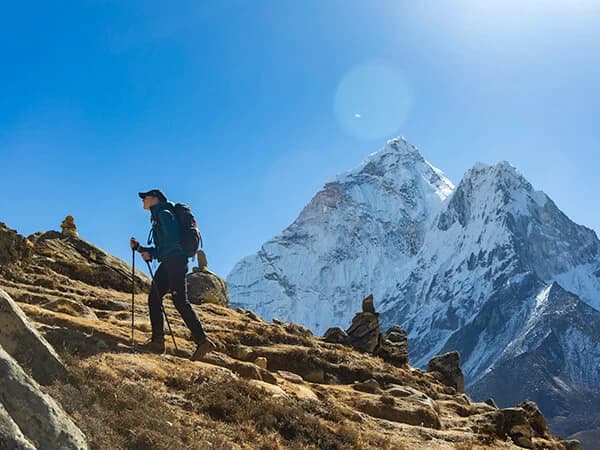
Lukla Flight Information
During peak season (March–May and September–November), flights to Lukla operate from Manthali Airport in Ramechhap instead of Kathmandu due to air traffic congestion. This adds a 5–6 hour drive from Kathmandu to Manthali, usually starting very early, followed by a short 20-minute flight to Lukla.
In the off-season (January, February, June–August, and December), flights typically run direct from Kathmandu, taking about 35 minutes. The airlines make the final call on which airport is used each month.
Flight delays and diversions are common due to Lukla's short runway and unpredictable mountain weather. Fog, wind, or low visibility can cause cancellations, so we recommend adding a buffer day or two to your schedule. If flights are seriously delayed, you can arrange a chartered helicopter (shared among up to 5 passengers, around USD 450 per person) to keep your trip on track. This cost isn't included in the package, so travel insurance with flight delay coverage is worth having.
Hike to Kala Patthar Experience
For many trekkers the hike to Kala Patthar is the highlight of the whole trek, more memorable than Base Camp itself. You’ll get up before the sun, usually 4 or 5 am, and begin the trek in the dark, with headlamps leading the way. The trail is steep and rocky, and the thin air makes each step feel harder than it should.
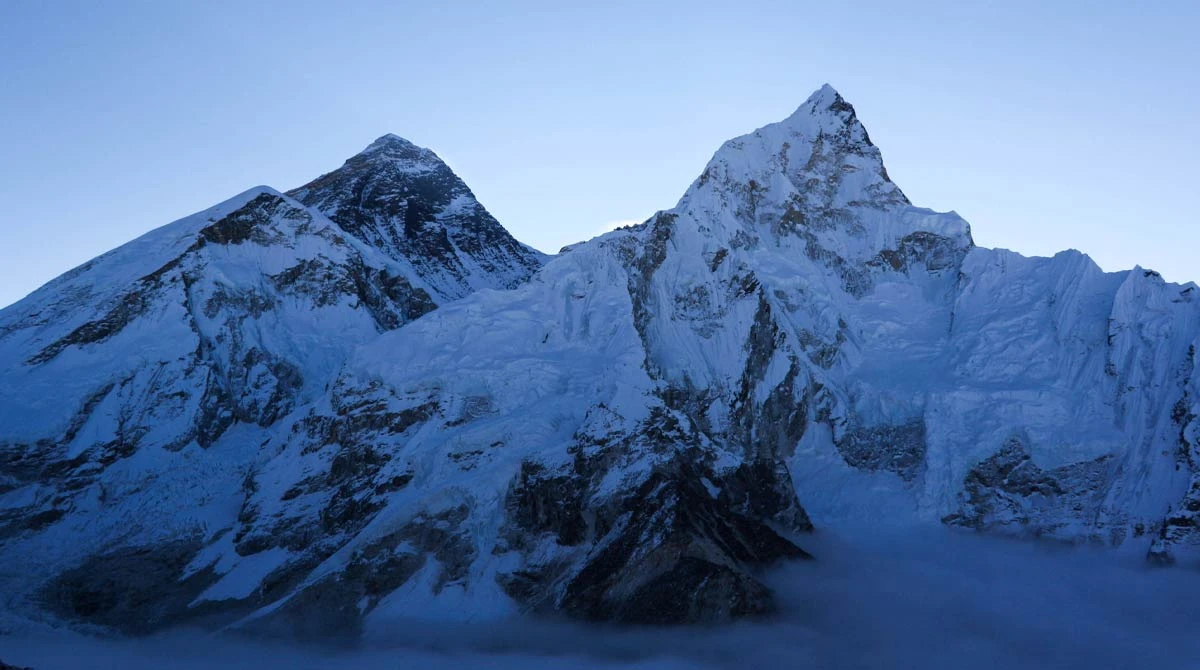
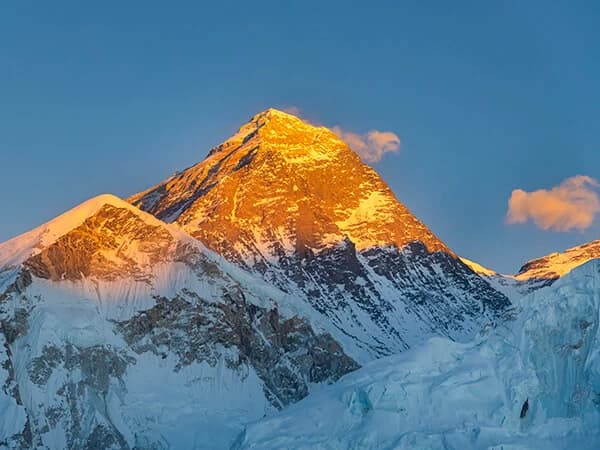
But it’s worth the hassle. And as you near the summit, the sky begins to clear and the first rays of gold strike the top of Everest. From Kala Patthar, at 5,555 meters, you get an unobstructed, close-up view of Everest, Nuptse, and Lhotse, all lit up in the early morning light. It's colder here than almost anywhere else on the trek, so warm layers are essential.
Most trekkers spend 20 to 30 minutes at the top, taking photos and simply absorbing the moment, before making the descent back to Gorak Shep for breakfast.
Island Peak Summit Day
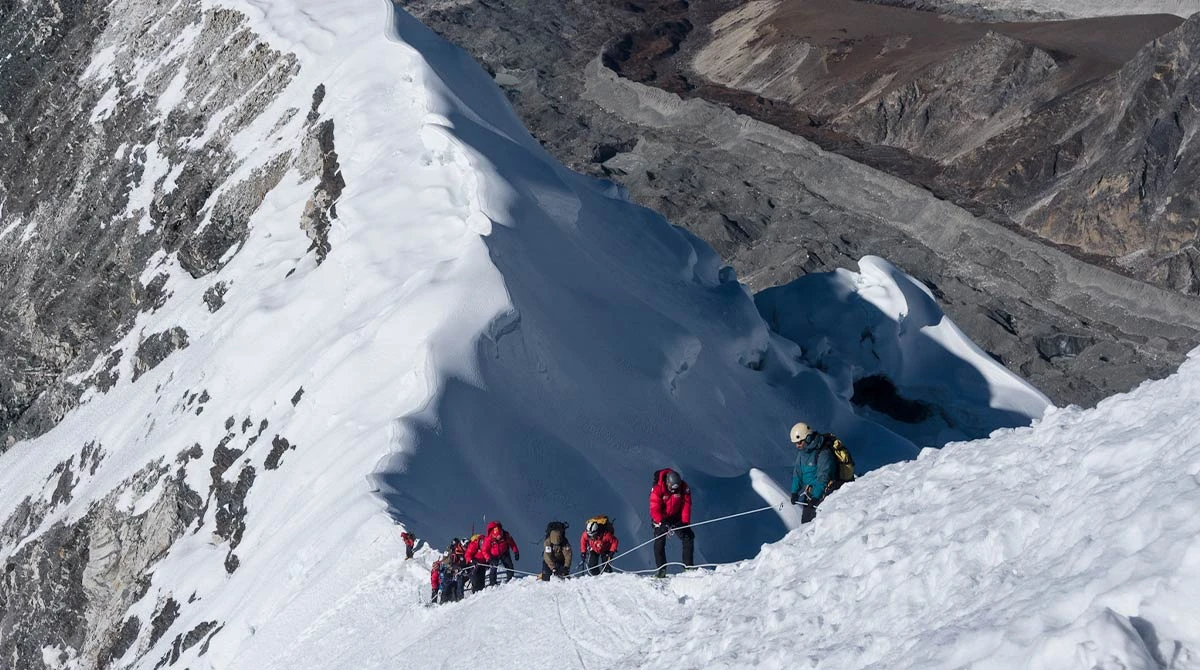
Summit day on Island Peak is the most physically demanding part of the entire trip. It starts extremely early, often around midnight or 1 AM, so climbers can reach the summit and descend before afternoon weather changes set in. Your climbing Sherpa leads the way, using fixed ropes on the steeper sections for safety.
The route involves crossing a glacier, navigating crevasses, and climbing a genuinely steep headwall near the top using a jumar and fixed line. It's not a technically difficult climb in mountaineering terms, but the altitude, cold, and long duration make it tough.
The full push from base camp to summit and back can take anywhere from 9 to 12 hours, depending on conditions and group pace. Good stamina matters more than prior climbing experience here, since basic ice climbing training is provided at base camp before the attempt.
Reaching the 6,189-meter summit rewards you with sweeping views of Everest, Lhotse, Makalu, and Ama Dablam, a view very few people ever get to see in person. After summiting, the descent back to Chhukhung marks the end of one of the most rewarding days of the trek.
Food on the EBC Island Peak Trek
Simple but surprisingly varied food can be found on the Everest Base Camp trek. Tea houses and guesthouses along the route serve meals that adhere to international hygienic standards. The traditional Nepali rice and lentil dish, dal bhat, can be found on nearly every menu. Noodles, pasta, soups, potatoes, and fresh bread are additional choices.
Many hikers swear by garlic soup for altitude acclimatization, and it is a local favorite. A hot beverage, such as tea, coffee, or hot lemon, is served with every meal. Since vegetarian meals are easier to digest and reduce the risk of stomach problems, they are widely available and advised at higher elevations.
As you ascend higher, meat options become less prevalent and less recommended, primarily because of how they are transported and stored. At Island Peak Base Camp, your camping team takes over. They prepare fresh, hot meals daily, so you're well fed even in the tented camp setting. Snacks like chocolate, cookies, and instant coffee are available to purchase along the trail for an extra cost.
Accommodation during EBC Island Peak Climb
Accommodation on this trip changes as you move through different stages of the journey. In Kathmandu, you'll stay in a comfortable 3-star hotel with breakfast included, both before and after the trek. During the trekking days, you'll stay in teahouses and guesthouses in villages like Phakding, Namche Bazaar, Tengboche, and Dingboche.
These are basic but clean, usually offering twin-sharing rooms with shared bathrooms at higher elevations. Some of the lower villages, like Lukla, Phakding and Namche, have rooms with attached toilets. Rooms typically have a bed, blankets, and a small table, but don't expect heating in most places, so a comfortable sleeping bag matters.
Once you reach Island Peak Base Camp, accommodation shifts to a tented camp. You'll share a twin-sharing tent with proper wind and waterproof protection, along with a dining tent and toilet tent set up by the crew. It's a different experience from the teahouses, closer to a real mountaineering setup, but still comfortable given the altitude and conditions.
Permits for Island Peak with EBC
This trek is through a national park and involves a climbing peak, so it requires several permits. Our team handles all the paperwork and the cost is already included in your package.
- Sagarmatha National Park Permit – required to enter the park where the trails of the Everest region are located
- Pasang Lhamu Rural Municipality Fee—a local fee for trekkers walking through the region
- TIMS Card (Trekkers’ Information Management System)—used for safety purposes to track trekkers
- Island Peak Climbing Permit – Nepal Mountaineering Association, for climbing above 6,000 meters
- For these permits you will need two passport-sized photos so bring copies with you before your trip
Altitude Sickness
Altitude sickness is a real risk on this trek, given how high the route climbs. Understanding the symptoms and taking the right precautions makes a big difference in staying safe.
- Typical symptoms are headache, dizziness, nausea and fatigue, especially at altitudes above 3,500 m.
- The itinerary has built-in acclimatization days at Namche Bazaar and Dingboche to help your body adjust.
- Good hydration and slow climbing significantly reduce the risk.
- Guides carry an oximeter to check your oxygen and heart rate every day.
- Avoid alcohol and sleeping pills at high altitudes, as they can worsen symptoms.
- If the symptoms become severe, the best treatment is to descend immediately.
- At higher elevations oxygen and emergency evacuation are available for serious cases but this is an additional charge.
- High-altitude evacuation cover is strongly recommended in your travel insurance for emergencies
Travel Insurance
Travel insurance is not a mere formality for this trip; it’s a real necessity. The altitudes involved, especially with Island Peak over 6,000 meters, mean your policy needs to include high-altitude emergency evacuation. This means that your insurance should cover helicopter rescue in case of altitude sickness, injury or any other emergency that requires immediate descent.
Most standard travel insurance policies won’t cover you for mountaineering activities above a certain altitude, so it’s important to read the small print before buying a policy. Seek coverage that specifically references trekking and climbing to a minimum of 6,200 meters. Ideally, insurance should also cover trip cancelations, flight delays, lost luggage and medical expenses beyond evacuation.
Certain insurers may require you to purchase your policy well in advance of departure for high-altitude activities. While not included in the cost of the trip, a good travel insurance policy will provide peace of mind during a journey included in the cost of the trip, but a good travel insurance policy will give you peace of mind on a trip where conditions can change quickly and access to medical facilities is limited.
Packing & Gear List
Climbing Gear
- Plastic shell mountaineering boots with high-altitude liners
- Crampons (steel, not aluminum)
- Alpine climbing harness
- Mountaineering axe with leash, sized for your height
- Ascender (left or right-handed, as needed)
- Belay device
- Locking and non-locking carabiners
- Climbing helmet (mandatory)
- Expedition-style gaiters
General Trekking Gear
- Four-season sleeping bag (rentable if you don't have your own)
- Puffy down jacket (rentable)
- Daypack, around 35–40 liters, with a rain cover
- Sleeping bag liner
- Trekking poles
Upper Body
- Sun hat or cap
- Warm beanie
- Headlamp with extra batteries
- Sunglasses with UV protection
Torso
- Base layers, light and heavy weight
- Short and long-sleeve technical shirts
- Waterproof, windproof jacket
- Fleece jacket or pullover
Lower Body
- Base layer bottoms
- Hiking pants
- Comfortable pants for evenings at teahouses
- Waterproof, windproof shell pants
- Hands
- Liner gloves
- Insulated outer gloves for higher altitudes
Feet
- Wool or technical hiking socks
- Waterproof trekking boots
- Ice cleats or micro-spikes
- Casual shoes for lower altitudes and rest days
Other Essentials
- Passport and extra passport-sized photos
- Reusable water bottle and water purification tablets
- Personal first aid kit and basic medications
- Sunscreen and lip balm with SPF
- Toiletries and a quick-dry towel
- Power bank or extra batteries
- Earplugs for noisy teahouses
Travel Tips
Here are some practical tips to help your trek and climb go more smoothly, especially if this is your first time in the Everest region.
- Layer up, but not too much; the weather changes from day to night.
- Make sure you break in your trekking and climbing boots well before the trip to avoid blisters.
- Cash in Nepali Rupees: ATMs are not reliable past Namche Bazaar
- Use a reusable water bottle and purification tablets to reduce plastic waste.
- Keep your daypack weight under 5 kg so you don’t go over the weight limit on the Lukla flight.
- Add a day or two buffer around your trek dates to cover flight delays.
- Charge your electronics when you can; charging at higher elevations costs extra.
- Respect local customs, especially around monasteries and religious places along the trail.