Everest Base Camp Trek with Helicopter Return

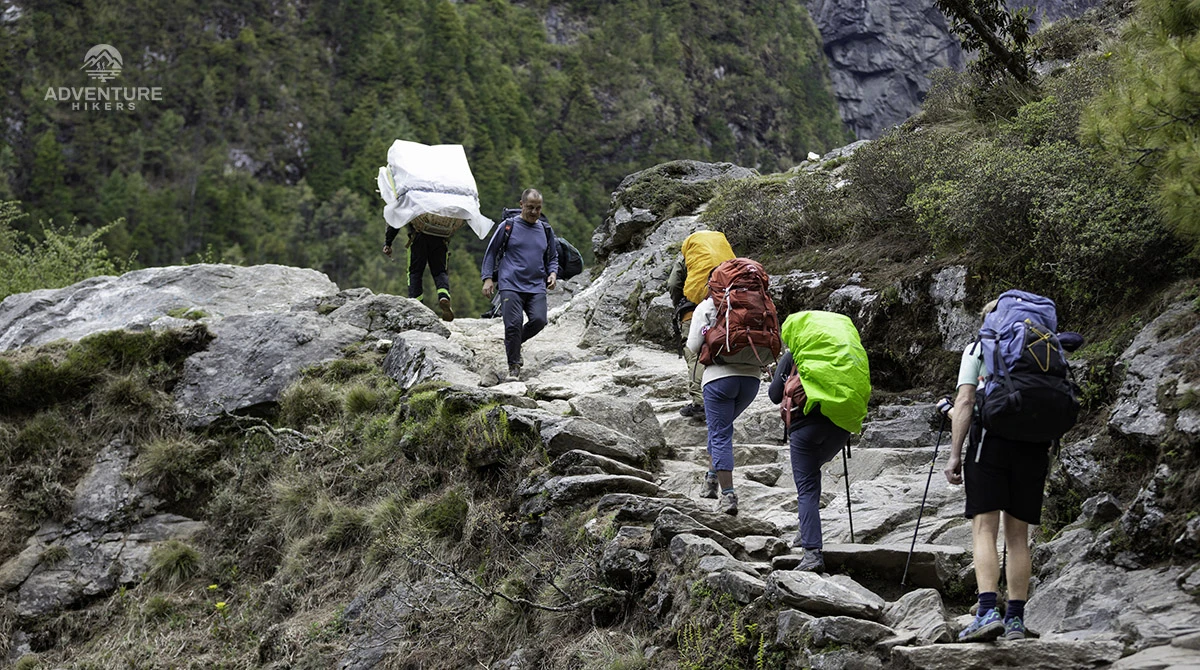
Hikers heading to Namche Bazaar during the Everest Base Camp Trek with Helicopter return
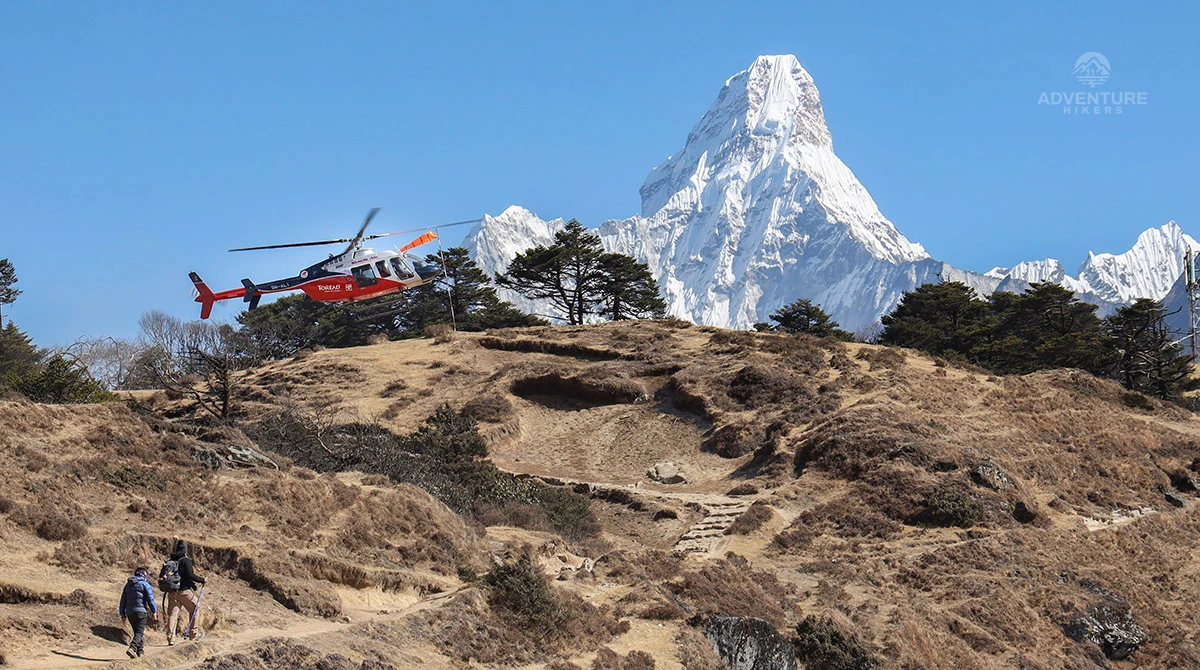
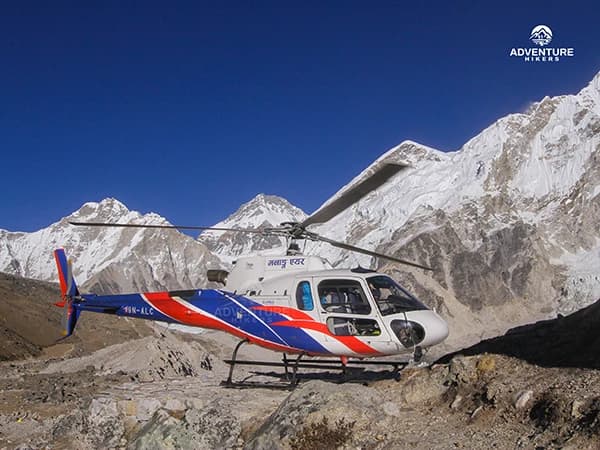
A helicopter landing at Everest View Hotel for breakfast during the Everest Base Camp Trek with Helicopter return.
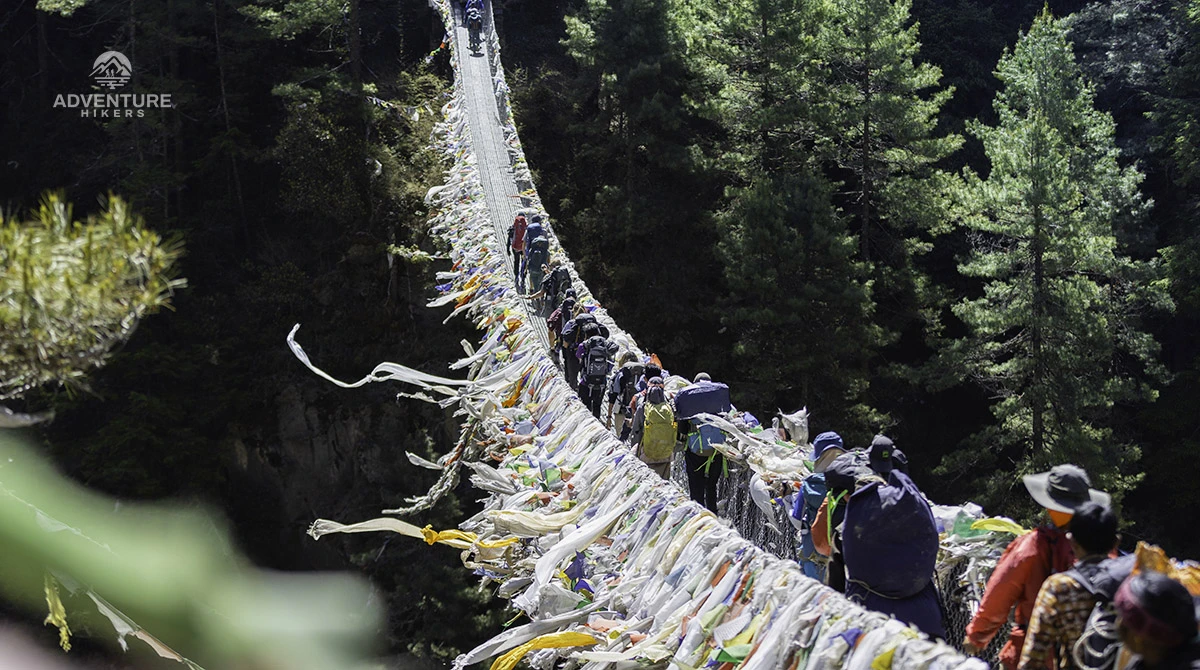
The group of trekkers crossing the Hillary bridge on their Everest Base Camp Trek with Helicopter return in Kathmandu
Duration11 Days
Trip GradeStrenuous
CountryNepal
Maximum Altitude5555 m/18220 ft
Group Size2-16
StartsKathmandu
EndsKathmandu
ActivitiesHiking, Trekking, Photography
Best TimeSpring and Autumn

The Everest Base Camp Trek with Helicopter Return is one of the most popular ways to experience the Khumbu region. You get the full classic trek up to base camp, then skip the long walk back down. Instead, you fly out by helicopter straight from Gorakshep. It's perfect if you want the real Everest experience without spending two extra weeks on the trail.

This is an 11-day itinerary that takes you through Sherpa villages, high suspension bridges, and pine forests before the trail opens up to bigger mountain views. You'll pass through Namche Bazaar, Tengboche Monastery, and Dingboche on the way up. Two acclimatization days are built into the schedule so your body has time to adjust to the altitude. By the time you reach Everest Base Camp at 5,364m, you'll have earned every step.

What makes this Everest trekking package different is the return flight. Most standard EBC treks make you walk all the way back to Lukla, which can take three or four extra days. Here, once you reach base camp, a helicopter picks you up from Gorakshep the next morning and flies you straight to Kathmandu. You save time, don't have to walk the same trail twice, and enjoy a view of the Himalayas on the way down.

This package is for trekkers with limited vacation days but who don’t want to miss out on the full Everest Base Camp experience. It is also beneficial for anyone who wants the lighter physical demand on the way back, especially after nine days of high-altitude walking. Want to get close to Everest and fly home in style? So get in touch with our team at Adventure Hikers and begin planning your trek today.

Trip Highlights

  • Stand at the foot of the world's highest mountain at Everest Base Camp, 17,598 feet
  • Fly back from Gorakshep rather than walking back on the trail
  • Take a walk around Namche Bazaar, the trading hub of the Khumbu region
  • Visit Tengboche Monastery, the largest monastery in Khumbu.
  • Get up close to Everest, Lhotse, Nuptse & Ama Dablam.
  • Hike through Sherpa villages and experience the local culture en route.
  • Two days of acclimatization built in to help your body adjust to altitude
  • Cut your trek by three to four days from a regular EBC trek.
  • Return flight for a bird's-eye view of the Himalaya.
  • Experienced registered trekking guides lead the way, knowing the area well

Why Choose This Trek with Adventure Hikers

  • 24/7 customer support before, during and after your trek, so help is just a phone call away
  • Achieved 100% success rate for trekkers to reach Everest Base Camp safely
  • Experienced government-registered guides with intimate knowledge of the Khumbu region.
  • Porter support on a 1:2 ratio so your load is light and manageable
  • Full helicopter return arranged; no chasing bookings or permits on your own.
  • Transparent pricing—no hidden costs
  • The cost includes and excludes all stated up-front
  • Small group size for a more personal and flexible trekking experience
  • Great safety record, acclimatization built into itinerary, altitude sickness monitoring throughout
Itinerary
Trip PlanExpand all

Your Everest Base Camp Trek with Helicopter Return starts the minute you step off the plane in Kathmandu, the capital of Nepal. Most international flights land at Tribhuvan International Airport, at an elevation of about 1,400m. An effortless pickup and transfer to your hotel will be waiting for you at the airport, courtesy of our team. Kathmandu is a city with a great history and there are many UNESCO World Heritage Sites in Kathmandu Valley, such as Boudhanath Stupa and Pashupatinath Temple.

After checking in and settling in, you might want to relax or take a short walk around the neighborhood to ease into your trip. In the evening your guide will meet you for a trek briefing where you will go over the itinerary, gear checklist and what to expect on the trail. It's also a good time to ask questions and get to know your guide before the adventure begins. No trekking distance covered. Today is a pure arrival and preparation day in the city.

Max Altitude: 1,400 m/4592 ft Accommodation: 3 star HotelMode of Travel: Private Jeep

Today is the real beginning of your trek. Fly early in the morning from Kathmandu to Lukla. Lukla is home to the Tenzing-Nehru Airport. This airport is 2,860m high and is world-famous for its short runway and dramatic mountain approach. The flight itself is about 30 minutes and is one of your first close-up views of the Himalayan range. On arrival you will meet the rest of your trekking crew, including your porter and start the walk to Phakding. The trail is about 8km long and takes about three to four hours to complete.

It’s a relaxing downhill walk along the Dudh Koshi river, through tiny villages, mani walls and swinging suspension bridges strung with prayer flags. This part of the trek is a nice warm-up, letting you get used to walking with your daypack before the trail steepens. Along the way you will also get your first glimpse of the Sherpa culture of the Khumbu region with tea houses and lodges lining the path. In the late afternoon you will reach Phakding, where you will spend the night before heading for Namche Bazaar the next day.

Max Altitude: 2,610 m/8561 ft Meals: Breakfast, lunch, dinnerAccommodation: Tea House

You will continue walking on the path that began in Phakding today. You will go deeper into the Khumbu region and Sagarmatha National Park. This park is a UNESCO World Heritage Site because of the beautiful mountains and large number of plants and animals that live there. Before going on, you will show your permits at the park entrance in Monjo. It will take about five to six hours to walk the 12 km route. This is one of the longer walking days we've had so far. Several suspension bridges cross the Dudh Koshi and Bhote Koshi rivers along the way. The famous Hillary Suspension Bridge is one of the highest and longest bridges on the route.

People on treks can often see Mount Everest for the first time from this spot if the weather is clear. The last part of the trail to Namche is a steady climb that can feel very tough because you are getting higher. Most of the trade in the Khumbu area goes through Namche Bazaar, the largest town in the area. So it's a lively spot to spend the next two nights. There are lodges, bakeries, gear shops, and even a few cafes. This is also where your body adjusts to the higher elevation, preparing you for tomorrow's acclimatization hike.

Max Altitude: 3440 m/11283 ft Meals: Breakfast, lunch, dinnerAccommodation: Tea House

Namche Bazaar is at 3,440m, so today is an important acclimatization day before you push further into higher altitudes. The best way is to climb higher and sleep lower, rather than rest completely, so that your body gets used to the thinner air. Today you will hike up to the Everest View Hotel, one of the highest hotels in the world at 3,880m. The trail is about a 4 to 5 km round trip and takes approximately three to four hours, including breaks. The climb from Namche is a slow uphill but is well worth the effort.

Clear weather provides one of the best panoramic views on the entire trek, as you can see Mount Everest, Lhotse, Ama Dablam and Thamserku all in the same viewpoint. Many trekkers stop here for a cup of tea or coffee and to enjoy the view. On the way back you can also visit the Sherpa Culture Museum or explore the local Namche market, which is particularly lively on Saturdays when traders from nearby villages come to sell goods. You will return to Namche Bazaar for your second night, now much better prepared and acclimated for the trail ahead to Tengboche.

Max Altitude: 3,880 m/12726 ft Meals: Breakfast, lunch, dinnerAccommodation: Tea House

As you leave Namche Bazaar today, the path offers some of the most beautiful walking of the whole trek. The track is about 10km long and should take you around five hours to complete. Much of the morning is spent walking on a fairly flat trail along the hillside with commanding views of Everest, Ama Dablam and Nuptse. The trail then drops down toward the Dudh Koshi river, passing through Phunki Thanga, a small village where you can stop for lunch before the next ascent. From here the trail rises steeply through a quiet forest of rhododendron and pine, climbing nearly 600m before arriving at Tengboche.

It’s worth the effort when you arrive there. The Tengboche Monastery is located in Tengboche, the largest and most important Buddhist monastery in the Khumbu region. If you are lucky, you may even see the monks during their evening prayers, a tranquil experience against some of the highest peaks in the world. The village also has one of the best sunset views on the trek, with Everest and Ama Dablam glowing gold in the evening light. You will stay the night here and rest before moving to Dingboche.

Max Altitude: 3,860 m/12661 ft Meals: Breakfast, lunch, dinnerAccommodation: Tea House

From Tengboche the trail initially descends gently through rhododendron and birch forests before dropping down to cross the Imja Khola river. The route is some 12km and takes about five to six hours to complete. After crossing the river, the trail arrives in Pangboche, one of the oldest Sherpa villages in the Khumbu region and the site of an ancient monastery, reputed to be the oldest in the area. From here the landscape begins to change significantly. The trees thin out and the trail opens into a wider valley with a much more rugged, alpine feel. You obtain better views of the dramatic Ama Dablam rising to the south and your first real look at Lhotse and the other peaks around the Imja Valley.

The last part into Dingboche is a gentle, steady climb. When you get there, you will notice that the terrain has become drier and more exposed, as is the case in areas of higher altitude. Dingboche is a farming village; its stone-walled fields used to grow potatoes and barley in the short summer season. It’s also a favorite acclimatization stop, since tomorrow’s agenda is another rest and hike day here to help your body adjust before pushing on toward Lobuche.

Max Altitude: 4,410 m/14465 ft Meals: Breakfast, lunch, dinnerAccommodation: Tea House

Dingboche is at 4,410 m, and today is another important day of acclimatization before you go higher into thinner air. Today you follow the same high hike, sleep low strategy, and walk up to Nangkartshang Peak, a popular viewpoint above the village. The trail is about 5 to 6km round trip, taking four to five hours depending on your pace and how many stops you make along the way. The climb is gradual at first, then steeper as you rise, following the trail that snakes up a ridge overlooking the entire Imja Valley. Many trekkers only go partway up to around 5,000m rather than the very top, as the views are just as stunning without the extra strain.

From higher points on the trail you get panoramic views of Ama Dablam, Makalu, Lhotse and the surrounding peaks that ring the valley. It’s a wonderful place to take stock of your progress, too, with Dingboche and the patchwork stone-walled fields visible far below. This hike is crucial to get your body ready for the altitude ahead, especially before you get to Lobuche and eventually Everest base camp. You will return to Dingboche for a second night after the hike, giving your body another chance to rest and acclimate before the trail takes you higher.

Max Altitude: 4,410 m/14465 ft Meals: Breakfast, lunch, dinnerAccommodation: Tea House

The trail from Dingboche heads north into higher, more rugged country as you approach the Khumbu Glacier. The walk is about 10km and takes approximately five hours. The trail begins with an easy ascent out of Dingboche to meet the main path from Pheriche and then arrives at Thukla (also known as Dughla), a small rest stop at the bottom of a steep hill. One of the emotional points on the trek is the climb up from Thukla. At the top is the Everest Memorial, a collection of stone monuments and chortens built in memory of climbers and Sherpas who have died on Everest and nearby peaks, including a well-known memorial to Scott Fischer and other mountaineers.

The Everest Memorial is a quiet, reflective place adorned with prayer flags fluttering against the backdrop of towering peaks. After Thukla, the trail flattens out and skirts the edge of the Khumbu Glacier, where you receive your first close-up views of glacial moraine and icy terrain. The landscape here is very different, dry, and rocky; high-altitude Pumori, Lingtren and other peaks are visible along the ridgeline. You are just one day away from Everest Base Camp when you reach Lobuche, a small settlement of a handful of lodges. Thinner air and colder temperatures are noticeable so rest and proper hydration are especially important tonight.

Max Altitude: 4,940 m/16203 ft Meals: Breakfast, lunch, dinnerAccommodation: Tea House

This is the day you’ve been working toward! From Lobuche, the trail hugs the edge of the Khumbu Glacier, crossing rocky, uneven ground with the peaks getting closer with every step. The trail to Gorakshep is 7km long and takes approximately three to four hours. Gorakshep is the last settlement before base camp, situated at 5,164m, with a handful of lodges built on what was a dried-up lake bed. After checking in and dropping off some extra gear, you’ll get back on the trail toward Everest Base Camp itself. This stretch is about 5km one way and will take another two to three hours depending on trail conditions and altitude.

The trail follows the rim of the glacier, past shifting ice formations and towering seracs, until you finally reach Everest Base Camp at 5,364m. This area turns into a little tent city during the climbing season, with mountaineers preparing for their ascent on Mount Everest. It’s a powerful moment to be standing at base camp outside of climbing season, with the Khumbu Icefall looming above you. You’ll soak it all in and then you’ll walk back to Gorakshep for the night, tired but proud, with your helicopter return waiting for you the next morning.

Max Altitude: 5,364 m/17594 ft Meals: Breakfast, lunch, dinnerAccommodation: Tea House

Early start for a last push, a short but steep hike up to Kalapatthar (5,644m) for sunrise over Everest. It's cold and dark when you set out, but the reward is worth it: the first light hitting Everest, Nuptse and Pumori is one of the most breathtaking sights in the Khumbu. After soaking in the views and snapping your photos, you'll descend back to Gorakshep for breakfast.

The rest of the day is all about the journey home, and what a memorable one it is. Your helicopter will collect you from Gorakshep, weather permitting, when skies are usually clearest and calmest for flying. The distance is about 150km, and it takes 45 minutes to an hour, but it can be shorter or longer depending on the weather and route. This return flight is an entirely different perspective of the Khumbu region compared to the walk that brought you here. From the air you'll be treated to sweeping views of Everest, Lhotse, Nuptse and Ama Dablam; the winding trail you trekked over for a week; and Sherpa villages, forests and glacial valleys all visible below.

Many trekkers claim that this flight is as memorable as the trek to base camp itself, as it gives you a rare, bird's-eye view of the same mountains you were standing beneath just hours before. Helicopters generally stop for a short while in Lukla to refuel before flying on to Kathmandu. After landing, you'll be transferred back to your hotel; the rest of the day is free to rest, explore the city or simply reflect on the trek. It makes a fitting, comfortable end to a physically demanding journey.

Max Altitude: 1400 m/4592 ft Meals: Breakfast, DinnerAccommodation: 4 star hotel

Your return helicopter trek to Everest Base Camp ends today. Depending on your flight schedules, you may have some free time in the morning to relax, pack or do any last-minute shopping in Kathmandu before heading home. If you haven’t yet had a chance to explore it, Thamel, the city’s popular tourist hub, is a great place to shop for souvenirs, trekking gear and local handicrafts. We’ll get everything arranged to get you to Tribhuvan International Airport in time, with plenty of time to spare before your international departure flight.

This trip offers the classic trekking experience of the Khumbu region, but with the added ease of a helicopter return, so you get the full Everest Base Camp experience without the long walk back. As you return home, you'll remember the towering peaks, the Sherpa culture and one of the most rewarding treks in the world. We hope this adventure with Adventure Hikers was all you dreamed of and we look forward to welcoming you back for your next Himalayan adventure.

Meals: BreakfastMode of Travel: Private Jeep to Airport
Cost Details
Includes
  • Airport pickup and drop-off (private vehicle)
  • All required trekking permits and local taxes
  • Sagarmatha National Park entry permit
  • Khumbu Pasang Lhamu Rural Municipality entry permit
  • Kathmandu to Lukla to Kathmandu flight tickets
  • Helicopter flight from Gorakshep to Kathmandu
  • Professional, registered, English-speaking trekking guide
  • Professional porter (1 porter for 2 trekkers)
  • All meals during the trek (breakfast, lunch, dinner)
  • Tea house accommodation during the trek (twin sharing)
  • 2 nights hotel in Kathmandu with breakfast
  • Duffel bag for porter use
  • Trekking map
  • Sleeping bag (if needed)
  • First aid kit carried by guide
  • Trek completion certificate
Excludes
  • Nepal entry visa fee
  • International airfare
  • Travel and rescue insurance
  • Personal trekking gear and clothing
  • Extra nights in Kathmandu due to flight or helicopter delays
  • Hot showers, Wi-Fi, and battery charging on the trek
  • Personal expenses (snacks, bottled or boiled water, bar bills)
  • Tips for guide and porters
  • Any costs not mentioned in the cost includes section
Still Confuse?
Download brochure or customize your trip.
Customize Trip
Dates & Availability
Oct 2026
Nov 2026
Dec 2026
Jan 2027
Mar 2027
Apr 2027
May 2027
Sep 2027
Oct 2027
Nov 2027
Dec 2027
Departure Date
Starts: Oct 01, 2026Ends: Oct 11, 2026
Status
Guaranteed
Price
US$1999
US$2398
Departure Date
Starts: Oct 05, 2026Ends: Oct 15, 2026
Status
Guaranteed
Price
US$1999
US$2398
Departure Date
Starts: Oct 12, 2026Ends: Oct 22, 2026
Status
Guaranteed
Price
US$1999
US$2398
Departure Date
Starts: Oct 19, 2026Ends: Oct 29, 2026
Status
Guaranteed
Price
US$1999
US$2398
Departure Date
Starts: Oct 26, 2026Ends: Nov 05, 2026
Status
Guaranteed
Price
US$1999
US$2398
Essential Information

Lukla Flight Guide: Seasonal Schedules, Flight Diversions, and Weather Logistics

The most common way to start your Everest Base Camp trek is by flying to Lukla, but flight operations vary hugely depending on the time of year. Direct domestic flights from Tribhuvan International Airport in Kathmandu to Lukla are available in the off-season months of winter (December to February) and monsoon (June to August). Traffic in Kathmandu is easy to handle in these low-density months and direct flights are smooth and convenient.

However, during peak trekking seasons, spring (March-May) and autumn (September-November), heavy international and domestic air traffic causes congestion on Kathmandu’s single runway. CAAN’s mandatory flight diversion for all fixed-wing Lukla flights is to avoid mass delays and control airport volume. Flights are diverted to operate from Manthali Airport in Ramechhap about 130 to 140 kilometers east of the capital instead of leaving from Kathmandu.

If you get rerouted to Ramechhap, then there will be extra ground travel logistics. Trekkers usually have to drive for 4 to 5 hours from Kathmandu to Ramechhap, which typically begins at around 1:00 AM or 2:00 AM to catch early-morning mountain flights. The upside is that the actual flying time from Ramechhap to Lukla is only 12 to 15 minutes and the throughput of flights from Manthali Airport in terms of weather is generally more efficient.

Weather remains the single biggest factor affecting Lukla flight schedules, no matter the hub. The weather in the mountains around Lukla is unpredictable and can change rapidly, causing flight delays or last-minute cancellations due to cloud cover, high winds and low visibility. You should expect this type of unpredictability and intend to build in a minimum of 1 to 2 buffer days in your travel itinerary. Alternatively, if you don't fancy the road journey, you can charter a helicopter to fly you from Kathmandu to Lukla during the high season.

Best Time for a Trek to EBC with a Heli Return

The best time for the Everest Base Camp Trek with Helicopter Return is spring (March to May) and autumn (September to November). The two seasons offer the most stable weather conditions in the Khumbu region, with clear skies, mild daytime temperatures and a low likelihood of rain or snowfall interfering with your trek. The lower trail between Lukla and Namche Bazaar passes through rhododendron forests, which will be in bloom in spring as well.

But it’s autumn after the monsoon, so the air is especially clear and you get better mountain views of Everest, Lhotse and Ama Dablam during the whole trek. Both seasons bring the most trekkers to the trail, and tea houses and lodges tend to be busier, but the reliability of the weather makes it well worth it, especially as Lukla flights and the return by helicopter depend heavily on clear conditions.

It is possible to travel outside these peak windows, but it is harder. Winter (December-February) can be as cold as 0°C (32°F) at higher elevations such as Gorakshep and Everest Base Camp, and there is a possibility of snow blocking trails or flights. On days with excellent weather, it offers quieter trails and clearer mountain views, appealing more to the more experienced trekkers.

The monsoon season (June to August) is usually not recommended because of the heavy rains, which increase the chances of landslides, muddy trails, poor visibility and a much greater chance of Lukla flight cancellations. This package includes a helicopter return, so the chances of weather-related delays on the flight back from Gorakshep and the flight into Lukla are significantly reduced by choosing spring or autumn as your travel season, making for a much smoother experience overall.

Accommodation on the EBC Heli Return Trek

You will stay in teahouses on the Everest Base Camp Trek with Helicopter Return. You will find these small, family-run lodges in nearly every village along the route. Rooms are generally on a twin-sharing basis with two single beds, a pillow and a blanket, though most trekkers still carry or rent a sleeping bag for extra warmth, especially at the higher altitudes such as Dingboche and Gorakshep. The higher you go, the more basic the facilities.

Down below, in places like Namche Bazaar, you can find lodges with attached bathrooms and even hot showers for a fee, while higher up it’s more common to have shared bathrooms and squat toilets. In most teahouses there is a common dining area with a heater (usually fueled by yak dung) where trekkers gather in the evenings to eat, chat and warm up. Simple setup but adds to the charm of the trek and gives you a chance to bond with fellow trekkers and local hosts along the way. You will be staying in comfortable hotel accommodation in Kathmandu for two nights, allowing for a beneficial rest before and after the trek.

Food and Meals on the Everest Heli Return Trek

All meals are included during the Everest Base Camp Trek with Helicopter Return, including breakfast, lunch and dinner each day. The tea houses along the route have pretty similar menus with staple options such as dal bhat, a traditional Nepali meal of rice, lentil soup, and vegetables, often served with unlimited refills. You can also find noodles, soup, momos, porridge, pasta, fried rice and hot drinks like tea, coffee and hot lemon to help you stay warm and hydrated at altitude.

As you ascend, the menu options are more limited and prices increase slightly, as most of the provisions are brought up by porters or yaks. Meals are typically uncomplicated yet substantial, designed to provide energy for extended periods of walking. Both trekkers and guides love dal bhat because it has a good mix of carbohydrates and protein, both of which are important for a trek at high altitude like this one. It is encouraged to drink plenty of water throughout the trip and boiled or filtered water is usually available at tea houses for a small cost.

Permits Required for EBC Trekking with Helicopter Ride

Getting the right permits for the Everest Base Camp trek is straightforward. You do not need the old TIMS card for this region anymore; instead, local authorities issue two mandatory entry permits to monitor trekker safety and support regional conservation. Both permits are checked multiple times along the trail and can be purchased on the way using your passport.

  • Khumbu Pasang Lhamu Rural Municipality Permit collected directly upon arrival in Lukla or Monjo
  • Sagarmatha National Park Entry Permit obtained at the Nepal Tourism Board office in Kathmandu or at the Monjo park entrance gate
  • Valid original passport with at least six months of validity left
  • Passport-sized photos (at least 2 to 4 copies) for permit registration forms
  • Nepali Rupees cash to pay for both permit fees directly at local checkpoints

EBC Trek with Helicopter Return Difficulty

The Everest Base Camp Trek with Helicopter Return is rated as difficult due to the high altitude, not because of the technical climbing skills required. No mountaineering experience is required and the trail itself is a well-marked walking path, but at 5,364 m, your body has to cope with thinner air, colder temperatures and long walking days. With a good base level of fitness, combined with proper acclimatization, it makes a big difference in how comfortable the trek feels. The two built-in acclimatization days help reduce the risk of altitude sickness but trekkers should still be mentally prepared for tough, tiring days, especially on the stretch between Lobuche and Everest Base Camp.

  • Moderate to strenuous and suitable for trekkers with some hiking experience
  • No prior mountaineering experience or technical climbing skills required
  • Daily walks 4–8 hours depending on the day’s route.
  • Maximum altitude reached: 5,364m (Everest Base Camp)
  • Includes 2 days of acclimatization to help cut down altitude-related risks
  • A basic to moderate fitness level is recommended, and some prior cardio training is helpful.
  • Weather and cold temperatures, especially above Dingboche, can add to the physical demand.
  • A helicopter return saves total trek time and effort compared to a normal EBC trek

Altitude Sickness During Helicopter Return Trek to EBC

Altitude sickness or Acute Mountain Sickness (AMS), is one of the biggest risks on the Everest Base Camp Trek with Helicopter Return. The trail climbs to 5,364m in a fairly short amount of time. This occurs when your body cannot adapt to lower oxygen levels at a higher elevation. Mild symptoms are common and nothing to worry about but if left unattended, they can progress to more serious conditions such as HAPE (High Altitude Pulmonary Edema) or HACE (High Altitude Cerebral Edema), both of which require immediate descent.

That’s why we have two specific acclimatization days on the itinerary (Namche Bazaar and Dingboche) so that your body can adapt before you go any higher. Your guide will be observing everyone closely throughout the trek and is trained to know the early symptoms so it’s very important to be honest about how you are feeling, even if it seems minor.

Common Symptoms

  • Headache
  • Dizziness or lightheadedness
  • Nausea or loss of appetite
  • Fatigue and general weakness
  • Shortness of breath, even at rest
  • Difficulty sleeping
  • Rapid heartbeat

Prevention Tips

  • Go slow, don’t rush, especially over 3,000 m.
  • Acclimatization days should follow the principle of “hike high, sleep low."
  • Stay well hydrated during the trek.
  • Do not drink alcohol or smoke while trekking.
  • Eat small, frequent, high-energy meals even if appetite is poor.
  • If you experience any symptoms, inform your guide immediately.
  • Get a doctor’s advice before the trip and consider Diamox (acetazolamide).
  • Get down immediately if symptoms worsen or do not get better with rest

Helicopter Experience from Gorakshep to Kathmandu

The helicopter ride from Gorakshep to Kathmandu is one of the most talked-about features of the Everest Base Camp Trek with Helicopter Return. After days of slogging rocky trails and thin mountain air, getting into the helicopter seems a well-deserved treat. As the chopper lifts off from Gorakshep, you get a whole new perspective of the same landscape you trekked through for a week and more. Winding trails and scattered tea houses look tiny against the towering peaks of Everest, Lhotse, Nuptse and Ama Dablam above the Khumbu Glacier. The majority of helicopters running this service are small and carry between five and six people.

This arrangement allows for every person to have a window and a fantastic view of the outside. If the weather is good, the flight is smooth, but it can be a bit bumpy over ridgelines or near mountain passes, which only adds to the thrill. Many trekkers say this is the best way to say goodbye to the Himalayas, as you watch the mountains dwindle below you while flying toward the green hills surrounding Kathmandu. The chopper will normally stop in Lukla for a quick refueling before continuing on, giving you one last look at the town where your trek started. Most trekkers will have headed home by now, but the journey back to Kathmandu after this flight is an experience that lingers, a fitting and memorable end to a demanding but rewarding trek.

Altitude Sickness During Heli Return Trek to Everest Base Camp

One of the biggest risks on the Everest Base Camp Trek with Helicopter Return is altitude sickness or Acute Mountain Sickness (AMS). The trail climbs to 5,364m in a fairly short time. It’s when your body doesn’t have enough time to adjust to the lower levels of oxygen that are present at higher altitudes. Mild symptoms are common and generally easy to treat, but if you ignore them, they can develop into more serious problems like HAPE (High Altitude Pulmonary Edema) or HACE (High Altitude Cerebral Edema) and you’ll have to descend immediately. The reason we have two dedicated acclimatization days on the itinerary is so your body can acclimate before going higher. One day is at Namche Bazaar and the other at Dingboche. You should be honest about your symptoms, even if they seem minor, as your guide will be closely observing everyone throughout the trek and is trained to recognize the early symptoms.

Common Symptoms

  • Headache
  • Dizziness or lightheadedness
  • ausea or loss of appetite
  • Fatigue and general weakness
  • Shortness of breath, even at rest
  • Difficulty sleeping
  • Rapid heartbeat

Prevention Tips

  • Walk slowly and don’t hurry, especially above 3,000 m.
  • Hike high, sleep low, and approach on acclimatization days.
  • Keep yourself hydrated during the trek.
  • Avoid smoking and alcohol during the trek.
  • Even if you are not hungry, eat regular high-energy foods.
  • If symptoms occur, tell your guide at once.
  • Before you go, discuss Diamox (acetazolamide) with your doctor.
  • If symptoms worsen or do not improve with rest, descend immediately.

Packing List for Everest Helicopter Return Trek

Clothing & Layering

  • 2–3 Tops, moisture-wicking
  • Bottom 1–2 thermal
  • Jacket (fleece)
  • Heavy down jacket (-10 to -20°C)
  • Waterproof/windproof shell jacket and trousers
  • 2 Lightweight trekking pants
  • 4–5 pairs moisture-wicking undergarments

Head & Hand Wear

  • Wool/Fleece Beanie Warm
  • Sunhat
  • Buff/Neck gaiter
  • UV protection sunglasses
  • Lightweight liner gloves
  • Heavy insulated mittens or gloves

Bags & Bagsacks

  • Duffel Bag 80L+
  • 30L–40L Daypack with rain cover
  • Dry bags / Compression stuff sacks

Shoes

  • Waterproof high-ankle hiking boots
  • Camp shoes (sneakers or sandals)
  • 4-5 pairs of merino wool trekking socks
  • 1-2 Pairs of heavy thermal socks

Gears & Accessories

  • 4-Season Sleeping Bag (-15°) + liner for sleeping bag
  • Hiking poles
  • Headlamp + spare batteries
  • 2 1L water bottles
  • Water purification tablets
  • Crampons & Microspikes

Personal Care & Toiletries

  • Wet wipes
  • Toilet paper rolls
  • Sanitizer
  • Sunscreen and Lip Balm (SPF 50+)
  • Microfiber towel (fast drying)
  • Pillow Case (optional)

Electronics & Power

  • Power Bank 20,000 mAh
  • Charging cables and plug adapter
  • Camera/GoPro + Extra batteries

First Aid & Medicine

  • Diamox (altitude medication)
  • Painkillers (Ibuprofen/Paracetamol)
  • Medication for diarrhea and cough drops.
  • Electrolyte powder.
  • Tape and plasters

Money & Documents

  • Passport & Photocopies
  • Permits
  • Nepali Cash (small currency)
  • Travel insurance papers

Travel Insurance for Trekking to EBC with Helicopter Ride

Trekking to Everest Base Camp is an awesome adventure but your standard travel insurance won’t cut it. Everest Base Camp is at 5,364 meters and viewpoints such as Kala Patthar are up to 5,545 meters, so you will need a special high-altitude travel insurance policy. Due to the remote terrain and risk of Acute Mountain Sickness (AMS), coverage for emergency helicopter evacuation is a requirement for your safety.

  • Coverage for high-altitude trekking up to a minimum of 6000 meters
  • Emergency medical evacuation, including helicopter rescue at high altitude
  • Altitude sickness medical costs for treating AMS, HAPE, and HACE
  • Coverage of hospitalization and in-patient care in Kathmandu
  • Flight delay & Trip Interruption & cancellation cover for Lukla flight delay or health problems
  • Coverage for lost, stolen or damaged trekking gear and baggage
  • Emergency medical assistance 24/7 with direct access to local rescue operators
  • Benefits to fly you home if necessary, with medical evacuation

Travel Tips by Adventure Hikers for EBC Trek with Heli Back

  • Walk slowly and steadily to get properly acclimated and to avoid Acute Mountain Sickness (AMS)
  • Add 1-2 contingency buffer days to your schedule for weather-related flight/helicopter delays.
  • Helicopter weight limits for payloads must be adhered to strictly, usually limited to 10-15 kg total of gear per person.
  • At altitude, drink 3 to 4 liters of purified water a day to stay well hydrated.
  • If sleeping at night, place your batteries for electronic devices, power banks and water bottles inside your sleeping bag to avoid them freezing.
  • Carry enough cash with you in small Nepali rupee notes, as ATMs are unreliable or nonexistent beyond Namche Bazaar.
  • Protect your throat from cold dry mountain air and avoid the "Khumbu cough" by wearing a Buff or neck gaiter.
  • Incorporate versatile pieces for easy adjustments as temperatures drop quickly with elevation gain.
  • You will want to pre-arrange your weight distribution, as high-altitude helicopter flights may split passengers or heavy luggage across multiple shuttle runs based on temperature and air density.
  • Check that your travel insurance specifically covers high-altitude emergency helicopter evacuation up to 6,000 meters.
  • Namche Bazaar and Dingboche are good places to take rest days for acclimatization before going any higher.
  • When you get on or off the landing pads in the mountains, make sure your loose gear, hats and daypack straps are secured.
FAQs

This classic Everest Base Camp trek package with helicopter return is completed in 11 days and covers your trip completely from the day you arrive in Kathmandu until the day you depart. Itinerary: 7-8 days of trekking up with stunning views and important acclimatization points at Namche Bazaar and Dingboche before reaching Everest Base Camp and Kala Patthar. A direct chopper flight from Gorak Shep to Kathmandu will save you 3-4 days of mundane downhill trekking. This is a nice balanced 11-day period that offers the full classic Himalayan adventure with the greatest comfort, best altitude safety and no need to rush your journey.

The Everest Base Camp trek is considered a moderate altitude trek. Technical climbing skills or ropes are not required, but you will be hiking 5 to 7 hours a day on uneven terrain, rocky moraine and steep inclines. The greatest challenge lies in gaining altitude and breathing thin air above 4,000 meters. Therefore good cardiovascular fitness, stamina and mental endurance are needed for a comfortable journey.

The return helicopter flight usually picks up trekkers at Gorak Shep (5,164m), which is the final teahouse settlement near Everest Base Camp. Depending on your package and landing permits, some flights may also collect from nearby places such as Lobuche or Pheriche or leave after a pre-dawn trek up to Kala Patthar (5,545m) for sunrise aerial views across Mount Everest, Nuptse and Lhotse.

The thinness of the air imposes severe restrictions on the weight and payload of helicopters working at high altitude. Each passenger will be strictly limited to a combined total weight allowance of 10 to 15 kg (22–33 lbs) for their main duffel bag and day pack. At high elevations, if the total weight of your group is too much for safety, the pilot may shuttle passengers or luggage down to lower altitudes (eg Pheriche or Lukla) in multiple trips before flying back to Kathmandu.

Yes, standard travel insurance policies will not cover things like high-altitude trekking and helicopter rescues. You are required to buy a special travel insurance policy that covers high-altitude trekking up to 6000 meters, emergency helicopter evacuation, medical repatriation and hospitalization. Tell your insurance provider your helicopter takeoff point so they can quickly access your dispatch in an emergency.

You will need two mandatory local permits for this trek, the Khumbu Pasang Lhamu Rural Municipality Permit and the Sagarmatha National Park Entry Permit. You do not require a TIMS (Trekkers' Information Management System) card for the Everest region. Both permits are easily available with your passport at checkpoints in Kathmandu, Lukla or at the Monjo park entrance gate.

Acute Mountain Sickness (AMS) is when your body is not able to adjust to the lower amount of oxygen at high altitudes. Symptoms are nausea, fatigue, giddiness and headache. Walking slowly and gradually ("bistarai"); drinking 3-4 liters of water daily; eating carbohydrate-rich meals; taking planned acclimatization rest days at Namche Bazaar and Dingboche; and optionally carrying medication like Diamox as a preventive measure can help avoid AMS.

You are accommodated mainly in local teahouses and simple family-run mountain lodges. They are basic with twin single beds with foam mattresses, pillows and blankets. Higher settlements like Gorak Shep have shared, unheated washrooms, whereas lower villages like Lukla and Namche Bazaar have attached bathrooms and luxury lodge upgrades.

The teahouses provide a range of freshly cooked food to keep the trekkers energetic. The staple food is Dal Bhat (a nutritious, refillable plate of rice, lentil soup and vegetable curry) as well as noodles, soups, fried rice, pasta, eggs and porridge. Menus cater to vegetarian, vegan and gluten-free diets and it is highly advised to adhere to a vegetarian diet at high altitudes to avoid stomach infections from un-refrigerated meat.

Weather in the Khumbu region can change rapidly, and poor visibility, strong winds or heavy cloud cover can sometimes lead to the grounding of all aircraft. In case of a delay to your return helicopter flight, it will be rescheduled to the next available weather window. It is a good idea to add an extra 1 to 2 buffer days at the end of your Kathmandu itinerary to ensure your international flight home is not missed.

It is strongly advised to hire a licensed local guide and porter for safety, navigation and comfort. A local guide monitors your altitude acclimatization, takes care of the logistics of permits and books teahouses for you. A porter carries your heavy main duffel bag (up to 10-12 kg per trekker), so you just have to carry a light daypack.

Spring (March to May) and Autumn (September to November) are the two best times for trekking. Spring is pleasant with its temperatures and clear skies and the rhododendron forests in bloom. Autumn, after the monsoon rains, is wonderfully crisp, and the views of the mountains are crystal clear. Flying conditions for helicopters are generally favourable in both seasons.

Mobile network coverage (using local NTC or Ncell sim cards) is generally available through Namche Bazaar and lower villages, though it becomes spotty as you go higher. Most teahouses also offer Wi-Fi through local prepaid networks like Air Networks or Everest Link for an additional hourly or daily fee, but the speeds are slower during busy evening hours.

Teahouses charge a small hourly fee for charging devices in their main reception or dining halls. Charging fees get more expensive the higher you go and cold temperatures kill battery life fast, so pack a high-capacity power bank (20,000 mAh+) and sleep with your electronics and batteries in your sleeping bag to save power.

All teahouses along the trail have boiled water or filtered water. Please bring reusable wide-mouth Nalgene water bottles to reduce plastic waste and save money. Treat all tap or stream water with purification tablets (chlorine/iodine) or a UV water purifier before drinking.

Helicopter returns are split between 4 to 5 individual trekkers so the charter cost can be split, which makes this arrangement a budget-friendly option for solo travelers or small groups. When you book a private helicopter you and your group will have exclusive use of the aircraft, flexible departure times, better priority on baggage and direct flights to Kathmandu with no intermediate landings.

Yes, beginners with good physical fitness can complete this trek successfully. You walk on established trails and fly back by helicopter, which makes it considerably less physically demanding than walking both ways. You should be able to handle the trail without any problems if you prepare for 2-3 months of doing cardio, stair climbing and leg exercises.

The better trekking agencies will provide you with good quality equipment for the duration of the trek—a sleeping bag, a down jacket, a waterproof duffel bag and a warm fleece liner. Trekkers should bring personal items such as broken-in hiking boots, moisture-wicking clothing, headwear, gloves, a daypack, sunglasses, toiletries, and personal medications.

Budget for snacks, hot showers, Wi-Fi, charging devices, and tipping guides and porters around 3,000 to 5,000 Nepali Rupees (25– 40 USD) per day for personal expenses. ATMs above Namche Bazaar are often out of order or out of cash so you should withdraw all the required cash in local currency in Kathmandu or Lukla before trekking.

Nepal’s Civil Aviation Authority (CAAN) is very strict about allowing helicopters to fly in the Everest region for safety reasons. The flights are operated solely by seasoned high-altitude captains and only during good weather windows with clear views of the mountains. Extreme altitude pilots check the weather routinely and determine how much payload weight will make for the safest flight.

You May Also Like
Sunset on the top of the Mount Everest
10 % discount in early booking
FromUS$1299US$1650
A helicopter land on the Everest Base Camp during the Luxury Everest Base Camp Trek.
The world's highest Luxury trekking
FromUS$4399US$5699
Gokyo Lake Trek
Huge BOOKING offer!
FromUS$1199US$1650
Need Help? Call Us+977 9851311073