

Discover the best viewpoints on the Manaslu Circuit Trek, from Larkya La Pass to Birendra Lake. Plan your trek with Adventure Hikers' expert guided packages.
Best Viewpoints on the Manaslu Circuit Trek
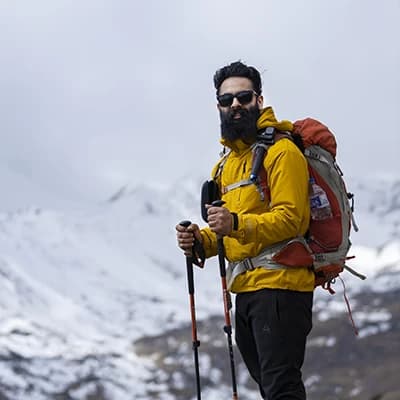
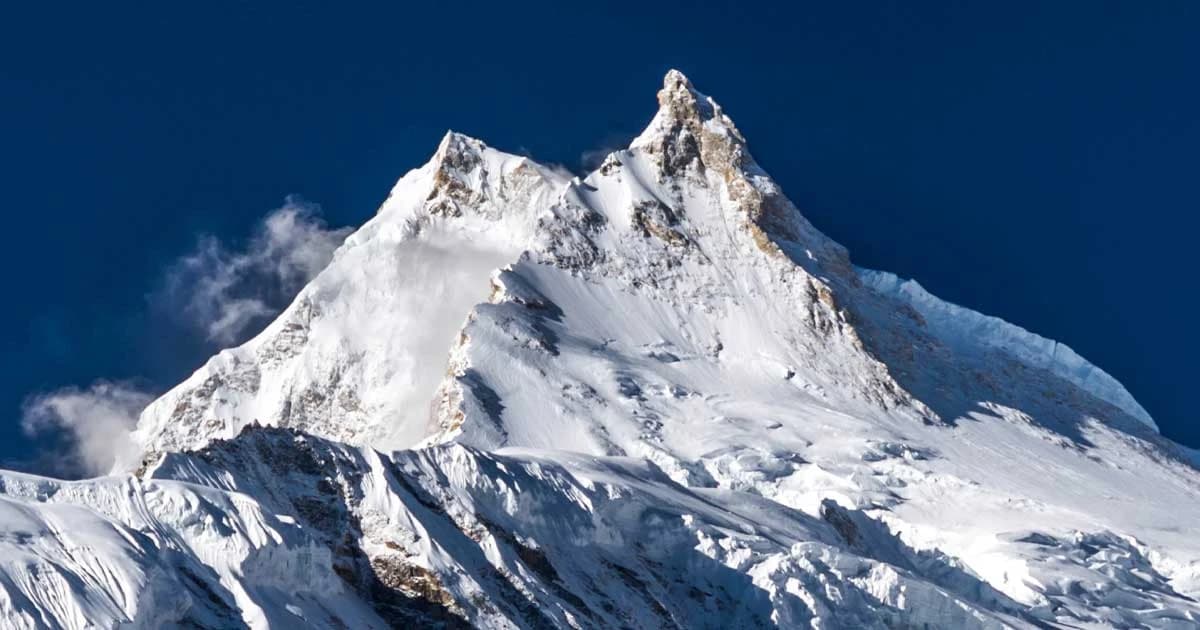
The Manaslu Circuit Trek is one of Nepal's most rewarding Himalayan trekking routes, and honestly, it doesn't get the credit it deserves. While Everest and Annapurna pull in the crowds, Manaslu quietly offers some of the most dramatic mountain views in the country, often with just a handful of other trekkers on the trail with you.
At Adventure Hikers, we've guided trekkers through this restricted area trek for years, and we always tell people the same thing: bring extra memory cards. From glacier-fed lakes to high mountain passes, this route is packed with scenic viewpoints that make every steep climb worth it.
In this guide, we're walking you through the best spots to catch Manaslu and its neighboring peaks at their finest. Whether you're chasing sunrise over Larkya La Pass or a quiet moment by a turquoise lake, these are the views that make the Manaslu Circuit one of the best off-the-beaten-path treks in the Himalayas.
What Makes a Great Viewpoint on This Trek
Not every scenic spot on the trail is worth including. When we picked the viewpoints for this list, we looked at a few things that actually matter to trekkers, not just what looks appealing in a photo. A great viewpoint on the Manaslu Circuit should be reachable without adding a full extra day to your trekking itinerary should offer a clear, unobstructed view of the peaks (not just a glimpse through the clouds), and ideally it's close enough to a teahouse that you can catch sunrise or sunset without rushing back down in the dark.
Here's what we factored in:
- Peak visibility: Clear, close-up views of Manaslu, Himalchuli, Ganesh Himal, or other major peaks in the region
- Accessibility: Either directly on the main trail or a short, manageable side trip
- Lodge proximity: Close enough to teahouses or camps for an overnight stay, so you're not rushing the visit
- Timing potential: Good angles for sunrise or sunset, when the light on the mountains is at its best
- Trail difficulty: Reachable by most trekkers with standard acclimatization, not just experienced mountaineers
These are the same standards our guides use when planning rest days and side trips for trekkers on our 13-day Manaslu Circuit Trek package.
Larkya La Pass (5,160m)
The highlight of the whole trek and rightly so. Larkya La Pass is the highest point on the Manaslu Circuit, and crossing it usually means a pre-dawn start so you can reach the top before the wind picks up. It's a tough climb, but the payoff is one of the best mountain panoramas in Nepal. Once you're up there, prayer flags snapping in the wind and snow stretching in every direction, it's easy to forget how tired your legs are.
- Elevation: 5,160 meters, the highest point of the trek
- Best time to cross: Early morning, before clouds roll in
- Peaks visible: Manaslu, Larkya Peak, Cheo Himal, Kang Guru, and Annapurna II in the distance
- Difficulty: Long, cold trekking day; proper acclimatization is essential.
- Why it matters: Marks the transition from the Nubri side of the trek to the Bhimtang side, a real milestone for trekkers
A Few Tips If You're Bringing a Camera
- Time it with the light: Try to reach the top right as the sun clears the ridgeline. That first light hits the snow at an angle that brings out texture you won't see later in the day.
- Get down low: Crouch near the cairns or prayer flag poles and shoot upward. It makes the peaks feel bigger and gives your photo something in the foreground besides the sky.
- Slow down your shutter if you can: If you're carrying filters, a slight long exposure on the fluttering prayer flags adds a pleasing sense of movement against the still mountains behind them.
- Let a person carry the scale: A single trekker silhouetted against the ridgeline says more about the size of the place than the landscape alone ever could.
Birendra Lake (4,500m)
A short detour from Samagaon takes you to Birendra Lake, and it's worth every extra step. This glacial lake sits right below the Punhyen Glacier, and on a calm morning, the water turns almost mirror- still, reflecting Manaslu and Himalchuli so clearly it barely looks real. It's one of the quieter, more peaceful stops on the trek, a welcome contrast to the tougher climbing days around it.
- Elevation: 4,500 meters, an effortless side trip from Samagaon
- Best time to visit: Early morning, when the wind hasn't picked up and the water is calm
- Peaks visible: Manaslu and Himalchuli reflected on the lake surface
- Difficulty: Easy, short walk, suitable as a rest day activity
- Why it matters: One of the few spots on the trek where you get true mirror reflections of the peaks
A Few Tips If You're Bringing a Camera
- Go early: The lake behaves best before the day's wind rolls in. Once the surface ripples, the reflection disappears.
- Shoot from low down: Get close to the water's edge and frame the rocks in the foreground. It adds depth instead of just a flat shot of water and mountains.
- Slow your exposure: If you're using filters, a longer exposure smooths out any small ripples and gives the water a soft, glassy look.
- Add a small human element: A trekker standing at the shore, or even a prayer flag catching the breeze, gives a sense of just how big and quiet this place really is.
Namrung (2,630m)
Namrung may not be as well known as some of the bigger name stops on this trek, but it's one of our favorite villages along the way. Set in the Nubri Valley, it's a place where terraced fields spill down the hillside in green layers, and traditional stone houses sit quietly against a backdrop of Ganesh Himal and Shringi Himal. It's less about one big dramatic view and more about the whole scene coming together: farmland, mountains, and everyday village life.
- Elevation: 2,630 meters, a natural overnight stop on the way up
- Best time to visit: Late afternoon, when the light softens over the terraced fields
- Peaks visible: Ganesh Himal and Shringi Himal in the distance
- Difficulty: Easy, sits directly on the main trail
- Why it matters: One of the best examples of Gurung village life blended with mountain scenery
A Few Tips If You're Bringing a Camera
- Wait for golden hour: The terraced fields catch evening light beautifully, bringing out the different shades of green and gold across the slopes.
- Zoom in on layers: Use a longer lens to compress the village, the farmland, and the peaks behind it into one frame. It reads as one continuous story rather than separate elements.
- Look for the everyday details: Prayer wheels, stone walls and villagers going about their daily life lend an authenticity that a wide landscape shot just can’t deliver.
- Climb a bit higher: Even a short climb above the village gives a much clearer view over the rooftops and fields.
Shyala Village (3,400m)
Shyala feels like a bit of a reward after the climb to get there. The village sits surrounded by rhododendron and pine forest, and in spring the whole hillside lights up with pink and red blooms. But the real draw is the view from the teahouse rooftops, where Manaslu, Himalchuli, and Ganesh Himal line up almost perfectly along the horizon. It's one of those spots where you'll want to just sit for a while before heading back down.
- Elevation: 3,400 meters, a good acclimatization stop
- Best time to visit: Sunrise, when the peaks pick up a soft pink light
- Peaks visible: Manaslu, Himalchuli, and Ganesh Himal in one sweeping line
- Difficulty: Easy, right on the main trail
- Why it matters: One of the few spots where three major peaks align in a single view
A Few Tips If You're Bringing a Camera
- Catch first light: The peaks turn a soft pink shortly after sunrise, and it doesn't last long, so be ready.
- Use the season: If you're trekking in spring, frame a rhododendron branch in the foreground. It adds color and makes the shot feel more alive.
- Shoot from the rooftop: Most teahouses here have open rooftop access, and it's the cleanest angle on the mountains without trees blocking the view.
- Layer the shot: Try to include the forest line, the village rooftops, and the peaks all in one frame. It gives a better sense of where you actually are.
Samdo (3,875m)
Samdo feels like a different world compared to the villages lower down. You're close to the Tibetan border here, and the landscape shifts to something more stark and open, with fewer trees, more rock, and more wind. It's a small settlement, but the views north are hard to beat, with wide open skies with Annapurna II, Annapurna IV, and Hiunchuli lining the horizon.
- Elevation: 3,875 meters, close to the Tibet border
- Best time to visit: Midday, when the light is strongest and the sky is clearest
- Peaks visible: Annapurna II, Annapurna IV, and Hiunchuli
- Difficulty: Easy walk, but altitude means taking it slow
- Why it matters: One of the most open, wide sky views on the whole trek
A Few Tips If You're Bringing a Camera
- Keep it simple: The bare landscape here works well with minimal, uncluttered shots, just rock, sky, and mountains.
- Watch the sky: With so little tree cover, the sky itself becomes part of the composition, so pay attention to clouds and light.
- Try black and white: The stark terrain and stone houses often look better with color stripped out; it fits the mood of the place.
- Use the wind: Prayer flags move constantly here, so a slightly longer exposure can capture that motion nicely.
Pungyen Gompa (3,800m)
This one's a bit of a detour from Samagaon, but it's worth the extra hour or two if you're up for it. Pungyen Gompa is an old Buddhist monastery tucked above the Budhi Gandaki gorge, and the walk up there feels quiet and a little sacred, with prayer flags lining the path the whole way. It's less about a single big mountain view and more about the atmosphere, the monastery, the gorge below, and Manaslu rising behind it all.
- Elevation: Around 3,800 meters, a half-day side trip from Samagaon
- Best time to visit: Midday, when shadows pull back from the gorge and rooftops
- Peaks visible: Manaslu, along with sweeping views down into the valley
- Difficulty: Moderate, steeper trail than most side trips on this route
- Why it matters: Combines cultural heritage with one of the best gorge and valley views on the trek
A Few Tips If You're Bringing a Camera
- Go around midday: The light is more even then, and shadows across the rooftops and gorge walls add pleasing texture without being too harsh.
- Include the people: If monks or pilgrims are around, they add a sense of place that an empty monastery shot won't give you.
- Shoot vertically: A vertical frame captures the drop from the gompa down to the gorge better than a wide shot does.
- Don't rush the walk up: Some of the best views are actually along the trail itself, not just at the monastery.
Lho Village (3,180m)
Lho is one of the more photogenic stops on the whole trek and it’s easy to see why. The village is home to Ribung Monastery, a centuries-old building with a golden roof that basks in the evening light beautifully. What is special about it is that the monastery is almost perfectly aligned with Manaslu behind it, as if the whole scene was set up on purpose.
- Elevation: 3,180 meters, sits directly on the main trail
- Best time to visit: Sunset, when the monastery roof catches a warm golden glow
- Peaks visible: Manaslu, framed directly behind the monastery
- Difficulty: Easy, no extra detour needed
- Why it matters: One of the clearest examples of culture and mountain scenery lining up in a single view
A Few Tips If You're Bringing a Camera
- Time it for sunset. The golden roof of the monastery looks amazing in that warm evening light and contrasts nicely with the cooler tones on Manaslu.
- Frame through the monastery: Doorways, windows, or prayer flag lines make natural frames that add depth to a shot of the mountain.
- Build in layers: Try to capture the stone walls, rooftops, forest line, and peak together; it tells a fuller story than the mountain alone.
- Keep some distance: A slight zoom compresses the monastery and mountain together without losing the scale of either.
Bhimtang Valley (3,720m)
After the long climb over Larkya La, Bhimtang is a real exhale. The trail drops you into a wide-open valley with grassy pastures and braided streams crossing the valley floor. You can sense the transition, the hard, icy pass giving way to something more welcoming, speckled with yak herds and the occasional shepherd hut.
- Elevation: 3,720 meters, first stop after crossing the Larkya La
- Best time to visit: Late afternoon when warm light flows into the valley
- Peaks visible: Lamjung Himal, Punka Danda in the far distance.
- Difficulty: Easy, a nice change after crossing the pass
- Why it's important: Marks the transition from high alpine terrain to a greener, gentler landscape
A Few Tips If You're Bringing a Camera
- Shoot later in the day: The light of the afternoon casts long shadows down the valley, picking out the texture of the grass and riverbeds.
- Leading lines: The streams are braided and naturally lead the eye through the frame to the mountains in the background.
- Shoot into the sun: Backlighting late afternoon can produce nice silhouettes of ridgelines and streams with a bit of glow around the edges.
- Add scale with animals: A grazing yak or a distant shepherd’s hut helps show just how wide open this valley really is.
Best Time to Catch Views
Timing matters a lot on this trek, maybe more than people expect. The best time for the Manaslu Circuit has two main trekking seasons, and each one gives you a pretty different experience of these viewpoints. Neither is really wrong; it just depends on what you're after.
- Spring (March to May): Warmer days, clearer skies most mornings, and rhododendron blooms lighting up villages like Shyala. This is the season for color; if you want green valleys and flowering hillsides in your photos, this is it.
- Autumn (September to November): Generally considered the most reliable season for mountain visibility. Skies are crisp, humidity is low, and peaks like Manaslu and Himalchuli tend to stay clear for longer stretches of the day.
- Early morning is best almost everywhere: Whether it's Larkya La, Birendra Lake, or Shyala, clouds tend to build up by late morning. Most of our guides plan the big viewpoint stops before 10 a.m. for this reason.
- Avoid monsoon season (June to August): Heavy cloud cover and rain make most of these views unreliable, and trails can get slippery.
- Winter (December to February): Possible but tougher, some sections like Larkya La may be snowed in or require more caution. Skies can be very clear, but it's a harder trek overall.
If you're planning around these viewpoints specifically, we usually recommend late September through November for the most consistent visibility; it's also when most trekkers join our 13-day Manaslu Circuit Trek
Conclusion
The Circuit Trek of Manaslu isn't just about reaching a high pass and ticking a box, it's about the string of moments along the way. A calm morning at Birendra Lake, a monastery glowing gold at sunset in Lho, and the wide-open quiet of Bhimtang after a hard climb. These viewpoints are what make this trek stick with people long after they're back home.
If you've been putting off a trip to the Himalayas because Everest and Annapurna feel too crowded, Manaslu might be exactly what you're looking for. Fewer trekkers, the same jaw-dropping scenery, and a route that still feels a little wild.
Ready to see these views for yourself? Adventure Hikers' 13-day Manaslu Circuit Trek covers all the major stops in this guide, with experienced guides, all permits handled, and a route built around catching these viewpoints at their best.
Book your Manaslu Circuit Trek with Adventure Hikers today and let us take care of the logistics while you focus on the views.
Need Help? Call Us+977 9851311073orChat with us on WhatsApp
Latest Travel Blogs
Sep 17, 2026By Sujan
Manaslu Photography Trek: Best Spots and Timing
Continue Reading
Sep 12, 2026By Sujan
Manaslu Circuit Trek Difficulty: A Complete Guide for 2026/2027
Continue Reading
Need Help? Call Us+977 9851311073