

The Manaslu Circuit Trek is one of the most rewarding trekking routes in Nepal. You pass remote villages, dense forests and high alpine sceneries. The trail circumnavigates Mount Manaslu (8163 m), the world’s eighth-highest mountain. Campers on the route pass the famous Larke Pass at over 5,106 meters. The trail also passes through Manaslu Conservation Area, a region rich in biodiversity with traditional culture influenced by Tibet.
How to Prepare for Manaslu Circuit Trek
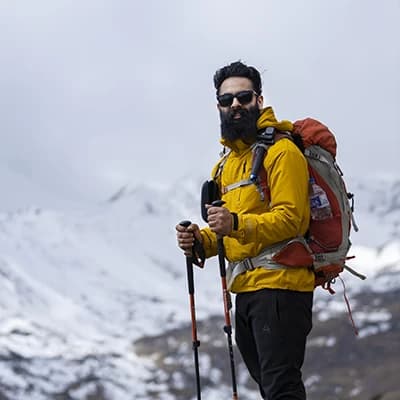
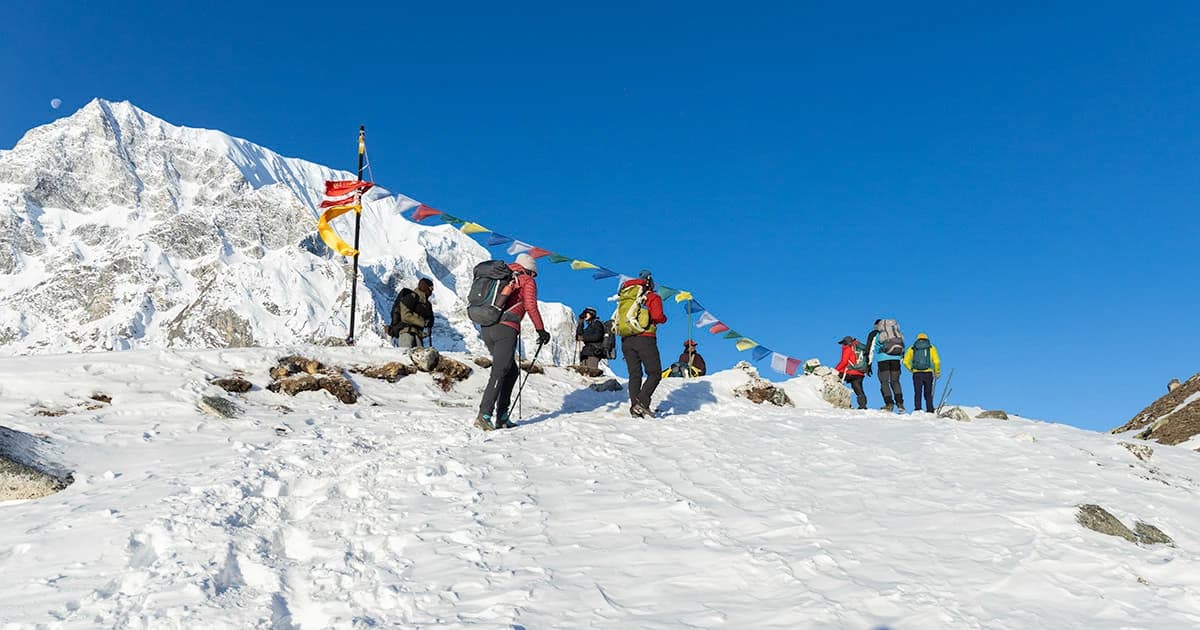
This trek is an alternative to the Everest Base Camp or the Annapurna Circuit that is less crowded and provides a more authentic experience. But that also means you have to prepare well. The trail goes through a restricted area. The trek requires special permits and a licensed guide. Facilities are limited and terrain is remote compared to other popular trekking regions in Nepal.
Being well prepared for the Manaslu Circuit Trek can be the difference between a fantastic trek and a tough one. From getting your permits and training your body for high altitude walking to packing the right gear and knowing what to expect when you arrive at the trailhead, every part of your preparation is important.
This guide contains all the information you need before, during and after your Manaslu Circuit Trek. Whether you’re after a standard Manaslu Circuit itinerary, want to check out the Manaslu Base Camp route, or are thinking about combining your trek with a visit to Tsum Valley, this guide will assist you in planning with confidence.
We will discuss permit requirements, the best time of year to trek Manaslu, how to prepare physically, a complete packing list, what each day of trekking looks like on the trail, safety tips for crossing Larke Pass, and how to recover after your trek is complete. By the end you’ll have a clear guide to one of the Himalayas’ most rewarding adventures.
Before we get to the trail, let’s go over what you need to arrange.
Before the Trek
The Manaslu Circuit Trek is a trek in a restricted area of Nepal. That’s why the trekkers need more permits than most other treks in the country. You can't walk here alone. You will need a licensed guide and the appropriate documentation as required by law. These permits are worth sorting out beforehand to avoid delays once you arrive in Kathmandu.
The following are the permits required for the Manaslu Circuit Trek:
- Restricted Area Permit (RAP): Needed to trek in the Manaslu area. It is only issued when trekking in a group of two or more persons with a licensed guide and only through a registered trekking agency.
- Manaslu Conservation Area Permit (MCAP)—Required to enter Manaslu Conservation Area. Supports conservation work in the area.
- Annapurna Conservation Area Permit (ACAP)—Necessary as the route crosses the Annapurna Conservation Area at the end of the trail.
- Passport & Photos: Carry a few extra passport-sized photographs and photocopies of your passport for permit processing.
The Manaslu Region of Nepal is not open for independent trekking. A licensed guide is required. A Restricted Area Permit is still accessible for solo trekkers, provided that you obtain it via a registered trekking agency and that a licensed guide accompanies you throughout the trek.
Best Time to Go
Picking the correct season can influence your entire Manaslu Circuit Trek experience. The trail crosses high-altitude terrain, so weather is a major factor in trail conditions, visibility and safety when crossing Larke Pass.
Autumn, from September to November, is widely considered the best time to trek the Manaslu Circuit. The skies are usually clear, offering excellent mountain views along the way. Temperatures stay moderate at lower elevations, though it gets colder as you climb higher toward Samdo and Larke Pass. This season also sees the most trekkers on the trail, but the route still feels far less crowded than Everest or Annapurna.
Another good time to do the Manaslu Circuit Trek is in spring, from March to May. Forests along the lower trail come alive with blooming rhododendrons. Daytime temperatures are pleasant for walking, and mountain views remain clear on most days.
Spring is also a particularly favorable season if you want to combine your trek with a side trip to Tsum Valley.
Winter, from December to February, is possible but more challenging. Some teahouses along the way may be closed and Larke Pass can be snowed in. Only experienced trekkers with proper gear should attempt Manaslu Circuit in winter.
Monsoon season, from June to August, is generally not recommended. Rain makes trails slick and mountain views are often clouded over. Landslides can also disrupt travel in lower sections of the route.
For most trekkers, autumn and spring remain the top choices for a safe and scenic Manaslu Circuit Trek.
Physical Fitness
The Manaslu Circuit Trek is a challenging trek, crossing high mountain passes and featuring long trekking days. No technical climbing skills are required, but you will enjoy the trek much more if you are physically fit. Preparing your body in advance is a good way to get ready for long walking days, steep ascents and the effects of high altitude, particularly around Larke Pass.
This is what you should focus on during your training for the Manaslu Circuit Trek:
-
Cardiovascular Endurance: Running, cycling or swimming will build your stamina for consecutive days of walking.
- Leg and Core Strength: Squats, lunges, and stair climbing all get your legs ready for the steep uphill and downhill sections.
- Hiking Practice Before you arrive in Nepal, do regular hikes with a loaded backpack to train your body to the realities of trekking.
- Training Schedule: For best results, begin your training at least two to three months before your trek.
- Altitude Awareness: Being fit doesn’t mean you will be immune to altitude sickness, but it will make your body better equipped to handle the physical demands of high-altitude trekking.
- Rest and Recovery: Build in rest days to your training plan to avoid injury and burnout leading up to the trek.
Gear and Packing List
You need the right gear to pack for the safe and comfortable Manaslu Circuit Trek. Layering is key, as temps can change quickly as you gain elevation. Here’s the lowdown on the essentials to pack for the trek.
Apparel
- Moisture-wicking base layers (top and bottom).
- Mid-layer of fleece or down for warmth
- Outer jacket, waterproof and windproof
- Insulated down jacket for high-altitude sections
- Trekking pants and another pair
- Sun hat and cozy hat
- Insulated and light gloves
- Trekking socks (wool or synthetic)
Shoes
- Broken-in, waterproof trekking boots
- Camp shoes or sandals for comfort
- Gaiters for Snow or Mud
Sleeping equipment
- Sleeping bag with a temperature rating of at least minus 15°C
- Sleeping bag liner, extra warmth
Accessories for Trekking
- Hiking poles for rugged, steep terrain
- Headlamp spare batteries
- UV protection sunglasses
- Backpack with rain cover
- Daypack for shorter excursions
Health & Personal Care
- Altitude sickness medication first aid kit
- Tablets or filters to purify water
- Water bottle or hydration pack (reusable)
- Sunscreen and SPF lip balm.
- Wet wipes and hand sanitizers
Additional Documents and Files
- Printed permit and passport
- Extra passport-size photographs
- Details of travel insurance
- Nepali rupees for teahouses and local purchases
Travel Insurance
The Manaslu Circuit Trek requires Travel insurance. The right cover can make all the difference in an emergency as the route passes through remote high-altitude terrain.
-
Larke Pass is situated at an altitude of more than 5100 meters so you need to make sure that your insurance covers trekking at least at 5200 meters.
-
If you’re looking for emergency evacuation coverage, check to see if it includes helicopter evacuation. This could be the only way to get medical care from more remote areas of the trail.
-
Be sure that the policy includes coverage for medical treatment for altitude sickness or any other injuries that you may sustain while trekking.
-
This option is helpful if your flight or hiking plans get messed up because of inclement weather or something else.
-
For peace of mind in case your luggage doesn't make it where it's supposed to go or gets lost in transit, this option is a good way to pack.
-
While you're on the trek, some rescue teams and agencies may ask to see a hard copy or digital copy of your insurance policy. It's best to always have one with you.
Altitude Sickness Awareness
Altitude sickness is one of the biggest risks on the Manaslu Circuit Trek as you head up toward Larke Pass, above 5,100 meters. Familiarize yourself with the symptoms and prevention steps to ensure your safety and preparedness on the trail.
-
Spot the Signs: Typical symptoms are headache, dizziness, nausea and fatigue. Serious consequences can occur if these are not recognized early.
-
Acclimatization Days: Your program contains rest days to help you acclimate to the increasing altitude.
-
Increase Gradually: Achieve Height Step by Step. If you trek at a constant speed, your body can adjust.
-
Drink Enough Water: Hydration will help your body better adjust to high-altitude conditions.
-
Medication: Diamox is commonly used to help prevent altitude sickness. Always consult your doctor before your trek to see if it’s right for you.
-
Avoid alcohol and smoking—both will make the effects of the altitude worse and delay acclimatization.
-
Listen to Your Guide Your guide is licensed and trained to observe early symptoms of altitude sickness and will make decisions on pacing or descent if needed.
-
Know when to come down: If you notice your symptoms worsening, coming down to a lower altitude is typically the safest and most effective course of action.
Daily Itinerary Overview
The Manaslu Circuit Trek is a 13-day trek that takes you from Kathmandu into the remote Manaslu region and back again. The trekking days average five to eight hours, with the longest day being Larke Pass. The total distance from Machha Khola to Dharapani is about 177 km.
The trek begins with a scenic drive from Kathmandu to Machha Khola via the Trishuli and Budhi Gandaki river valleys. The trail from here passes through Jagat, Deng and Namrung, slowly climbing through forested hills and traditional stone villages. In these first days, suspension bridges over the river, the Budhi Gandaki, are a regular feature.
As the trail climbs further, you reach Lho Gaon and Syala, where the first clear views of Mount Manaslu appear. Next is Samagaon, an important acclimatization stop, with a side hike to Pungyen Monastery. The trail from here passes through Samdo and Dharamsala, both important staging posts before the most difficult part of the trek.
The crossing of the Larke Pass is the top of all the Manaslu Circuit Trek, 5,106 Meters. Trekkers start early, often at 4am, to cross safely before the strong winds pick up. After the pass, the trail descends to Bhimthang and continues to Tilje, where the high-altitude section ends.
The last days are a long drive back to Kathmandu via Besisahar, a farewell dinner and departure. Want to know more about the day-by-day differences, altitude gain and walking times? Refer to our full Manaslu Base Camp Trek with Larke Pass guide.
Acclimatization Days during the hike
Acclimatization is a big part of every safe Manaslu Circuit Trek itinerary. The trail passes several points above 11,500 feet, so it’s important to give your body time to adjust before pushing higher toward Larke Pass.
The main acclimatization stop on the Manaslu Circuit Trek is Samagaon, generally on day seven of the standard itinerary. Most trekkers don’t take a full rest day but add a short side hike up to Pungyen Monastery for a little more elevation before heading back down for the night at a lower altitude. This follows the classic ‘climb high, sleep low’ approach, which helps the body adjust more effectively than simply resting in place.
The second, and lighter, acclimatization stop is Samdo. Walks here are short compared to other days, allowing trekkers more time to acclimatize before the challenging push to Dharamsala and Larke Pass. In the afternoon, many trekkers also take a short walk up the nearby hillside to help with the adjustment process.
These planned rest and acclimatization days are important as altitude sickness becomes a real risk above 3,500m. If you rush or skip the acclimatization process, you are more likely to experience symptoms such as headache, nausea and fatigue. At these stops you take it slow and give your body the best chance of coping with the thinner air at higher altitudes—especially before the tough crossing of Larke Pass.
Crossing Larke Pass
Larke La Pass sits at 5,106 meters and marks the highest and hardest point of the Manaslu Circuit Trek. Most trekkers start around 4am from Dharamsala to cross before strong winds pick up later in the day. The climb is not technical, but the altitude and long duration make it tough.
What to know before you go
-
Early start: cross around 4 am to avoid the afternoon winds and make it safe
-
Duration: Total time for crossing is about 8 to 9 hours, including descent to Bhimthang.
-
Altitude: The highest point is 5106 meters so go slow and breathe easy.
-
Views: The best views of ten peaks above 6500 meters, including many above 7000 meters
-
Descent: The trail down to Bhimthang has some steep and slippery sections so take care with your footing.
-
Guide support: Your guide will lead the way and monitor for signs of altitude sickness throughout the journey.
Food and Accommodation
Local tea houses along the Manaslu Circuit Trek manage food and accommodation. These tea houses have simple, comfortable rooms with twin-sharing beds and blankets and a common dining area where trekkers meet in the evening. The higher you go, the more basic the facilities but every teahouse provides a warm place to rest after a long day on the trail.
Bathrooms are generally shared; hot showers are available in lower villages but less common higher up. In places like Samdo and Dharamsala, you often have to pay extra for hot water. Rooms are basic, just enough space for a bed and your backpack, but they do the job well before another long trekking day.
Meals are served three times a day throughout the trek, with tea houses offering a mix of Nepali and Western food. Dal Bhat, the staple plate of rice, lentil soup and vegetables, remains the most popular choice on the trail, offering a good balance of carbohydrates and nutrients. Noodles, soup, pasta, porridge, etc., are also common but at higher elevations the menu choices are generally simpler.
Clean drinking water is available on the way and tea houses will boil water if you ask them to. Taking a reusable water bottle and some purification tablets or drops is a wonderful way to avoid the expense and waste of bottled water, especially in the higher villages on the Manaslu Circuit Trek.
Health and Safety on Trail
The best tips you can follow to stay safe on the Manaslu Circuit Trek are to take it slow, stay well hydrated and listen to your body as it adjusts to the altitude. The main things to bear in mind are
- At altitudes above 3,500 meters, watch for early symptoms of headache, nausea, dizziness or fatigue.
- Drink plenty of water. Drinking at least 3-4 liters of water a day will help your body adjust to the altitude.
- Climb high, sleep low: Days to acclimate: climb high slowly and sleep low when possible
- Pace Yourself: Walk slowly and steadily between stops; don’t rush.
- Avoid alcohol and smoking. Both can increase altitude-related symptoms and slow down acclimatization.
- Follow your guide. The guides are trained to recognize early warning signs and they check oxygen levels daily.
- Report any symptoms immediately. If you’re feeling unwell, let your guide know immediately. Preventive measures are better than cures.
- Know your ways out: Most points along the route have helicopter evacuation facilities in case of emergency.
Wildlife and Landscape Along the Way
The Manaslu Circuit Trek passes through the Manaslu Conservation Area, a protected area of 1,663 square kilometers in the Gorkha district. Coming down from the high alpine terrain near Larke Pass to the warm lowlands near Machha Khola, the landscape changes dramatically. The changing character of the trail ensures that no two days on the trek are the same, with dense pine and rhododendron forests giving way to open valleys and glacial landscapes at higher altitudes.
The conservation area is home to a variety of wildlife, adding an extra dimension of interest to the trek beyond the mountain views.
- Snow Leopard: Elusive predator in the higher altitudes of the conservation area—Rare
- Himalayan tahr: A species of alpine goat often found on rocky slopes
- Musk deer: one of 33 mammal species recorded in the area
- Himalayan blue sheep: Commonly seen grazing around Samdo and Dharamsala
- Birdlife: The conservation area supports more than 110 bird species.
The Manaslu Circuit Trek is unique compared to other trekking routes in Nepal in terms of natural experience, the terrain it crosses and chances of seeing wildlife.
Cultural Etiquette
The Manaslu Circuit Trek takes you through Nubri and Tsum villages, where Tibetan Buddhist customs still influence the rhythm of daily life. The region opened to trekkers only in the 1990s and local customs are largely preserved. Honoring these traditions helps to keep the culture alive and also leads to a better experience with the people you meet along the way.
While you are trekking through the region, keep these points in mind:
- Before photographing: Always ask permission to take pictures of villagers or inside monasteries.
- Walk clockwise. Local custom says that stupas and manis walls are walked clockwise.
- No shoes Please remove your shoes when entering prayer halls and monasteries.
- Dress conservatively. It is especially important to cover shoulders and knees when visiting religious sites.
- Please keep noise to a minimum. Monasteries are places of worship in operation, not tourist attractions.
- Follow your guide: Leaders know the etiquette of each monastery on the Manaslu Circuit Trek route.
For more on the cultural side of this journey, read our guide to theuntold facts about the Manaslu Trek.
Recovery Tips after the Trek
The Manaslu Circuit Trek is a huge physical achievement and giving your body the adequate amount of time to recover after it is just as important as preparing for it.
-
Rest well: After you get back to Kathmandu, don’t do anything too strenuous for a few days.
-
Rehydrate. Drink lots of water to help your body get used to altitude.
-
Eat well: Nutritious meals help you to regain energy after long days of trekking.
-
Get back into action: Don’t rush back in; gradually return to your normal workout routine.
-
Watch for ongoing symptoms: If you continue to feel tired, have a headache or feel breathless on descent, see a doctor.
Extending the Trip
Many trekkers tend to extend their trek after completing the Manaslu Circuit Trek. Popular add-on options include a trip to Tsum Valley, known for its monasteries and Tibetan Buddhist heritage or combining the route with a longer Manaslu and Tsum Valley itinerary.
-
Start the Tsum Valley Trek for a dedicated side trip to the hidden valley
-
Combine both routes with the Manaslu Tsum Valley Trek;
-
Imagine the Chitwan tour add-on for a relaxing wildlife experience after the high-altitude trek
Reflecting on the Experience
At the end of the trek, take time to reflect on the journey. Organize pictures, write a brief journal entry, or simply contemplate the crossing of Larke Pass to fully absorb the experience. Writing a review with your trekking agency also helps future trekkers to plan their own Manaslu Circuit Trek with confidence.
Summary
The Manaslu Circuit Trek rewards well-prepared people. Every detail contributes to a safe and enjoyable experience, from acquiring permits and prepping your body to packing the right gear and knowing what to expect on the trail. Larke Pass is the highlight for most trekkers, but the villages, monasteries and wildlife en route make the whole route memorable.
Ready to take on the Manaslu Circuit Trek yourself? Browse ourManaslu Circuit Trek package or get in touch with our team to start planning your route into the Manaslu region.
Need Help? Call Us+977 9851311073orChat with us on WhatsApp
Latest Travel Blogs
Sep 30, 2026By Sujan
Beyond the Peaks: The Wild Side of the Manaslu Conservation Area
Continue Reading
Sep 19, 2026By Sujan
Best Viewpoints on the Manaslu Circuit Trek
Continue Reading
Sep 17, 2026By Sujan
Manaslu Photography Trek: Best Spots and Timing
Continue ReadingNeed Help? Call Us+977 9851311073