Why Manaslu Is a Living Center of Tibetan Buddhism
Manaslu is more than a mountain. For the people who live in its shadow, it is sacred ground. Tibetan Buddhism shapes almost every part of daily life here. You see it in the prayer flags on rooftops. You hear it in the chants coming from village monasteries. You feel it in the slow, careful way people walk past a manhole.
This deep faith did not arrive recently. It came with the ancestors of today's Nubri and Tsum communities, who moved into these valleys from Tibet many generations ago. They brought their language, their customs, and their religion with them. The mountains kept the outside world at a distance. That isolation helped these traditions survive largely unchanged.
Influence of Nubri and Tsum Valley Communities
The Nubri people live mainly around Samagaon, Samdo, and Lho. The Tsumpa people live in the Tsum Valley, near Chhekampar and Mu Gompa. Both groups are of Tibetan origin. Both follow Tibetan Buddhism, though older Bon and animist practices still blend into their daily rituals.
Tsum Valley is distinguished by a unique belief. It was declared a "Shyagya," a nonviolent area, in 1920. Hunting and killing animals are still forbidden there today. This single rule says a lot about how strongly Buddhism shapes life in this part of Manaslu.
Sakya, Nyingma, and Kagyu Lineages in the Region
Not every monastery in Manaslu follows the same school of Buddhism. Mu Gompa in Upper Tsum follows the Sakya tradition. Many communities of Nubri are inclined to the Nyingma school which stresses meditation and compassion. Elsewhere, Kagyu influence appears in smaller gompas scattered through the valleys.
These are not just labels. Each lineage shapes how a monastery is run, which rituals it performs, and which festivals it celebrates. Knowing this information adds real depth to a visit. You are not just looking at old buildings. You are stepping into centuries of living religious practice.
Best Monasteries to Visit in the Manaslu Region
There are over 100 monasteries in the Manaslu region. Some are right on the main trekking trail. Others have to make a short detour into a quiet side valley. These are the best uses of your time.
Pungyen Gompa
Pungyen Gompa is located just above Sama Gaon on the main Manaslu Circuit trail, at an altitude of 3,200-4,000m. It is considered the most important monastery on the entire circuit. It is named after Pungyen, the guardian deity believed by many locals to protect Mount Manaslu itself, and it gives this small monastery a spiritual weight that belies its size.
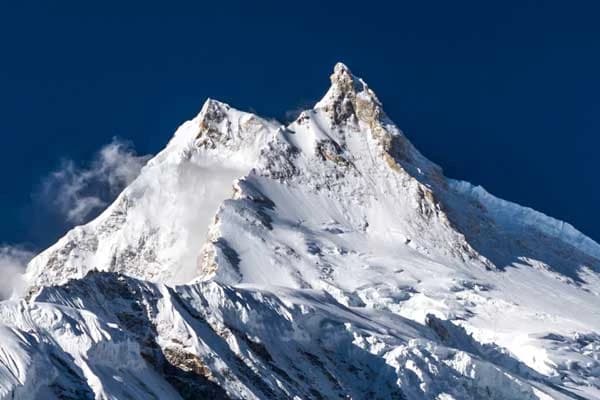
From here you get one of the best views of Manaslu on the entire trek, with the mountain looming almost directly overhead. Most trekkers do Mu Gompa as a day trip from Sama Gaon on their acclimatization day and combine a visit to Pungyen with a side trip to Manaslu Base Camp. Entry is free and the trail up is easy enough to manage while still getting used to the altitude.
Mu Gompa
Mu Gompa is located at an altitude of around 3,700 meters near the village of Nile at the northern end of the Upper Tsum Valley. The Sakya tradition of Tibetan Buddhism is practiced in Tsum, the largest and highest monastery in the Manaslu region. Generations of harsh winters have seen monks live here, and the isolation is evident in the untouched feel of the place
Inside, prayer halls are filled with ancient scriptures, painted masks and weathered statues, and many trekkers describe the atmosphere as the most powerful of the entire trip. The final section of the trail before Mu Gompa is a gradual climb and the thinning air makes the last hour seem more difficult than the distance would indicate. This monastery is the highlight of the Tsum Valley Trek and few travelers make it this far without spending at least a day just sitting and taking it all in.
Rachen Nunnery
Rachen Nunnery sits near Chhokangparo village in Upper Tsum Valley, at an altitude of about 3,240 meters. Established in 1905, it is one of the largest nunneries in the region and home to nuns from the Ngak-pa sect, who follow a strict non-violence tradition. Inside, you'll find around a thousand small clay statues of Avalokiteshvara, along with murals that trace the story of Buddhism across the walls. The place feels different from the monasteries run by monks.
Visitors often describe it as warmer and more open, and nuns here sometimes invite trekkers to sit for tea and watch the afternoon prayers. Rachen sits close to Mu Gompa, roughly a two- to three-hour walk from Chhekampar, so most trekkers see both on the same day or on the walk back down the valley.
Gumba Lungdang
Gumba Lungdang, also known as Lungdeng Gompa, sits at around 3,200 meters in the Nubri Valley. It is nearly 700 years old, making it one of the oldest monasteries anywhere in the Manaslu region. The prayer hall holds large murals and statues of Buddhist deities, painted in a style that traces directly back to Tibetan tradition, along with detailed wood carvings around the entrance.
It now functions mainly as a nunnery, and monks and nuns here still hold regular prayers, meditation sessions, and festivals like Lhosar and Dumje. Entry is free, though a small donation is appreciated and goes toward the upkeep of the building. Visiting takes a spare day off the main Manaslu Circuit trail, but it rewards the detour with sweeping views of Ganesh Himal from the courtyard.
Serang Gompa
Serang Gompa sits at roughly 3,100 meters in the Kyimolung Valley, on the Nubri side of the Manaslu region, beneath the slopes of Shringi Himal. Founded about 500 years ago, it is the main monastery among a cluster of twelve scattered through the valley, and it remains one of the least visited sites in the entire region.
Trekkers who make the journey often find themselves alone with the resident monks and nuns, walking through prayer halls filled with murals and old scriptures with almost no other outside visitors around. Some trekking companies even arrange an overnight stay inside the monastery itself, where guests can join early morning prayers and share butter tea with the monks. Reaching Serang Gompa means leaving the main Manaslu Circuit trail at Bihi village for a four- to six-hour uphill walk through dense forest, so it works best as an extended side trip rather than a quick stop.
Ribung Gompa
Ribung Gompa stands on a hillside above Lho village, at around 3,180 meters, directly on the main Manaslu Circuit trail. Believed to date back to the 14th or 15th century, it is the spiritual center of the Lho community and the site of the village's most important annual festival, when masked dances and chanting fill the courtyard.
The monastery's position provides it one of the most striking settings on the whole trek. Mount Manaslu rises almost directly behind it, and on a clear morning the first light turns the snowfields gold while monks in red robes move between the buildings below. Because Lho is a regular overnight stop for trekkers acclimatizing before Samagaon, almost everyone on the Manaslu Circuit passes through here, whether they stop to look closely or not.
How to Visit These Monasteries on Trek
Visiting these monasteries is easier than most trekkers expect. Most sites sit on or near the standard trekking trails, so you don't need a special trip just to see them. A little planning around your route, your itinerary days, and your permits is usually all it takes.
Best Treks to Combine: Manaslu Circuit vs. Tsum Valley
Your route choice decides which monasteries you'll see, so pick based on how deep into Buddhist culture you want to go.
Manaslu Circuit Trek: Covers Nubri Valley, passing Ribung Gompa and Pungyen Gompa
Tsum Valley Trek: Covers Mu Gompa and Rachen Nunnery on its own
Manaslu Tsum Valley Trek: Combines both valleys over 19 days
Short Manaslu Trek: passes key monasteries in under two weeks
Manaslu Photography Trek: Builds in extra time at Ribung and Pungyen for better light
Ideal Itinerary Days for Monastery Visits
Most monastery stops land on rest or acclimatization days, so they add little extra strain to the trek.
- Sama Gaon acclimatization day: visit Pungyen Gompa, often paired with Manaslu Base Camp Trek and Manaslu Circuit Trek.
- Overnight stop at Lho: Ribung Gompa is a short walk from most teahouses.
- Near the Tsum turnaround point: visit Mu Gompa.
- Walking back toward Chhekampar: visit Rachen Nunnery.
- A planned extra day needed for Gumba Lungdang or Serang Gompa, since neither sits on the main trail
Permits Required
- The Manaslu region sits close to the Tibetan border, so a few extra permits are required beyond a standard trekking permit.
- Restricted Area Permit (RAP)—mandatory for the whole Manaslu region
- Manaslu Conservation Area Permit (MCAP)
- Annapurna Conservation Area Permit (ACAP)—only if your route continues toward Annapurna
- Tsum Valley Restricted Area Permit—required in addition, if adding Tsum Valley
- All permits are arranged for you as part of any Adventure Hikers package
Etiquette for Visiting Active Monasteries
- Walk clockwise around chortens, mani walls, and prayer wheels
- Dress modestly when entering prayer halls.
- Keep your voice low on monastery grounds.
- Ask before photographing monks or nuns, especially during prayers.
- Leave a small donation quietly, even where entry is free.
- Avoid touching statues, scriptures, or ritual objects
FAQs
Are Manaslu monasteries open to visitors?
Yes, most of the monasteries in the Manaslu region are open to visitors. Monks and nuns generally allow trekkers to enter prayer halls and look around. A few remote or smaller gompas may close if no one is present, so visiting during daylight hours helps.
Which is the most important monastery on the Manaslu Circuit?
Pungyen Gompa is widely considered the most important monastery on the Manaslu Circuit. It sits near Sama Gaon and is tied to Pungyen, the guardian deity believed to protect Mount Manaslu itself.
Can I visit Tsum Valley monasteries without a Tsum Valley permit?
No, you cannot. The Tsum Valley has its own Restricted Area Permit, which is separate from the regular Manaslu permits. This applies even if you are visiting Mu Gompa or Rachen Nunnery for just one day.
When is the best time of year to visit the Manaslu monasteries?
The best seasons for trekking or visiting the monastries are spring (March-May) and autumn (September to November). These months have the clearest weather, the easiest trails, and the best mountain views.
How many days does it take to visit the main monasteries in Manaslu?
Seeing the key Nubri Valley monasteries takes no extra time, since they sit right on the Manaslu Circuit trail. Adding Tsum Valley for Mu Gompa and Rachen Nunnery usually adds five to seven extra days to your itinerary.
Do I need a guide to visit these monasteries?
Yes, a licensed guide is required for the whole Manaslu region, since it falls under restricted area rules. A guide also helps with monastery etiquette, translation, and timing your visit around prayer sessions.
Is Mu Gompa worth the extra effort to reach?
Most trekkers who make it say yes. Mu Gompa is the highest and most remote monastery in the region, and its isolation is part of what makes it feel different from anywhere else on the trek.
Can I stay overnight near or inside a monastery?
Depending on the season and the arrangements of the monastery, some monasteries, like Serang Gompa, permit trekkers to stay overnight occasionally. Most trekkers instead stay in nearby teahouses and visit the monastery during the day.
Are there entry fees for the monasteries?
Most monasteries in the Manaslu region don't charge a fixed entry fee. A small voluntary donation is customary to help with the upkeep of the building and the support of the resident monks.
Conclusion
The monasteries of the Manaslu region are more than stops along a trail. They are living places where centuries of Buddhist tradition still continue today. From Pungyen Gompa near Sama Gaon to remote Mu Gompa in Tsum Valley, each one adds real depth to an already unforgettable trek. Ready to see them for yourself? Book your trek with Adventure Hikers and let us help you plan the journey.